I deep-dived into George’s life when I believed his great nephew was my grandad. You can read how I learnt this wasn’t the case in NOT my grandad.
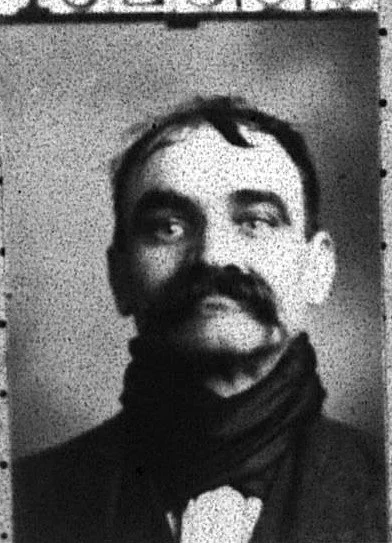
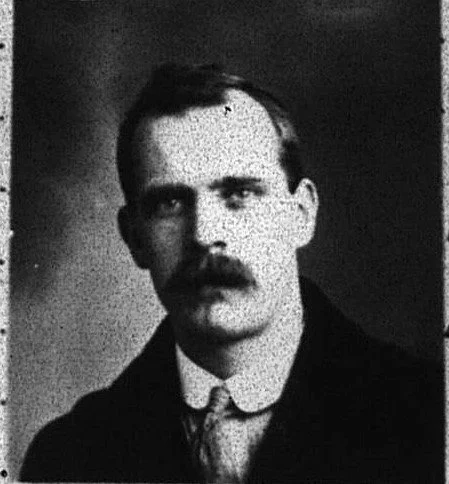
During my research, I became fascinated by this man’s life and a little bit smitten. I even put this picture in a frame! I also began to see my ancestors as people who were once living and breathing, rather than just names in the tree.
George Henry Flanagan
Research Highights
Finding the description of his tattoos
Finding his photograph
Discovering he’d worked on the Mauretania
Addresses
George was born in 1874 in Worthington Street, the same street his grandparents had settled in when they arrived from Dromore (Northern Ireland) in around 1847.
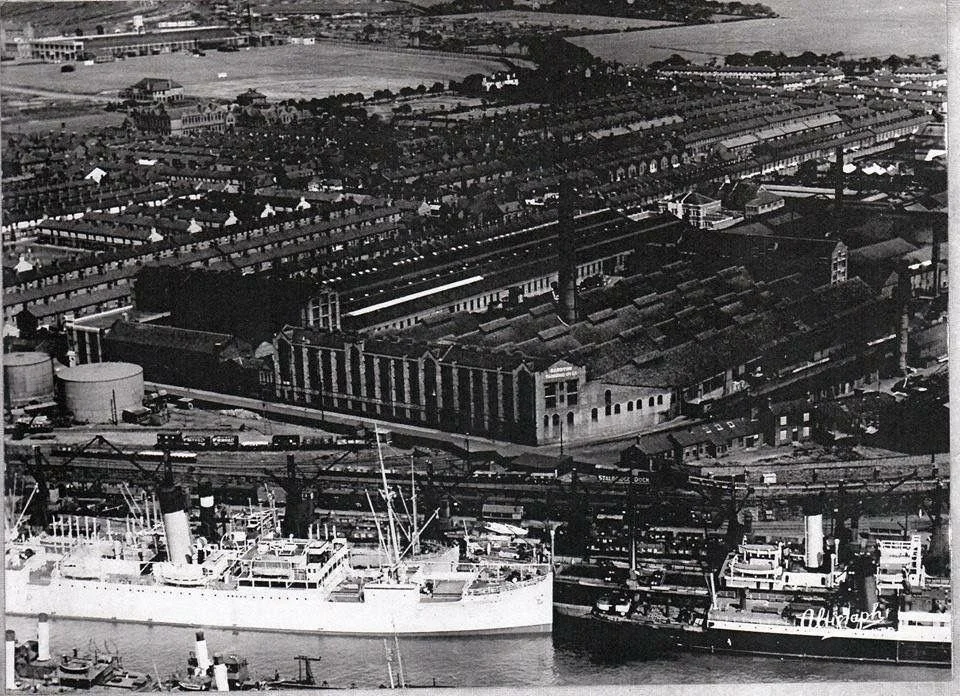
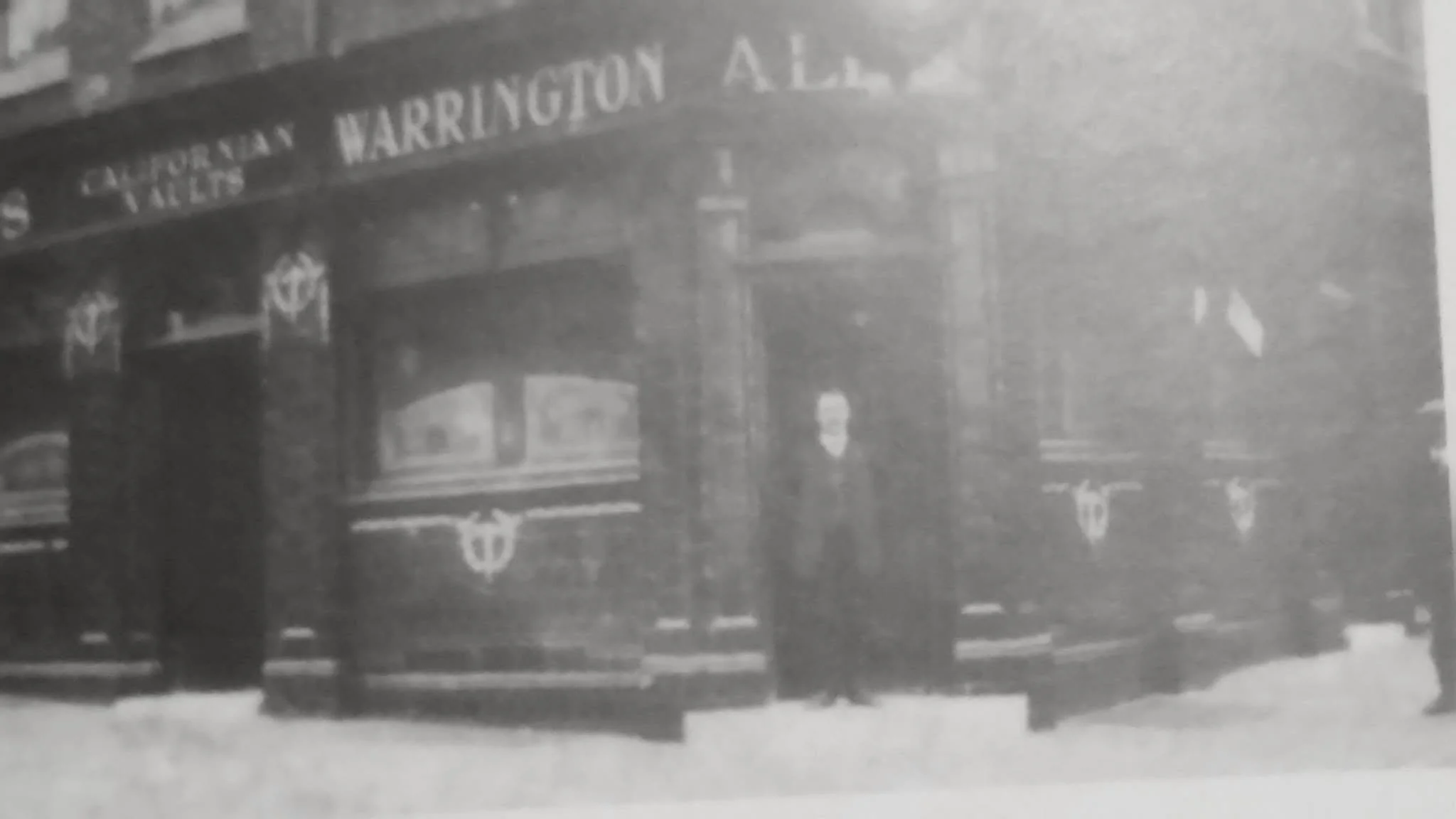
Every address I find George living at (in ships’ manifests, census returns etc) is the same area close to the docks. During the Irish famine whole familes fled Ireland and put down roots in Liverpool. An Irish community grew in these streets, often in over-populated houses, extended families living on top of each other. It’s now the trendy The Baltic Triangle and many of the streets have been demolished. But it was once filled with the families of mariners and dock labourers.These photos give a feel for the buildings and the wide streets. There’s also an aereal view of the district.
I found George at: Worthington Street, Grafton Street, Dwerryhouse Street, Beaufort Street, Norfolk Street and Upper Stanhope Street.. Each time he’s living with a parent, grandparent or sibling.
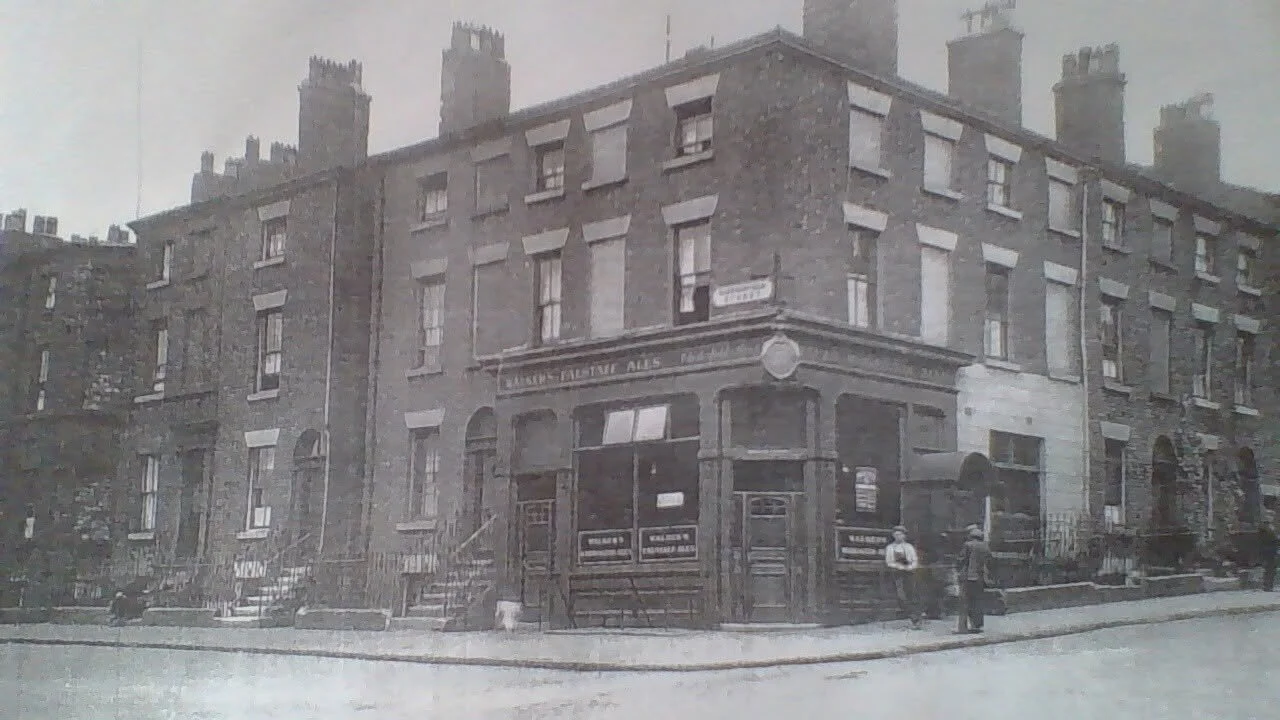
I found this description of Dwerryhouse Street on a Facebook group. It was much later than George’s time, but still paints a picture.
My aunt Anne lived in dewryhouse street.. used to stay there. I was always scared no electricity only gas lamps and candle when you went to bed she had a parrot in a cage but when it was let out it always tried to bite you . Her son paddy was a seaman some one said he brought monkeys home hidden in a suitcase never seen any tho happy memories
Family
George had three sisters and four brothers (Patrick and Christopher pictured here). His brothers were all dock labourers and Firemen/Trimmers on the steam ships, two of his sisters were domestic servants and the other (Julia, pictured here) worked in a cigar factory.
His grandparents were from Dromore in northern Ireland and they’d left during the famine. His father and grandfather also worked as dock labourers all their lives.
George never married and had no children, so he spent his whole (short) life living with family members.
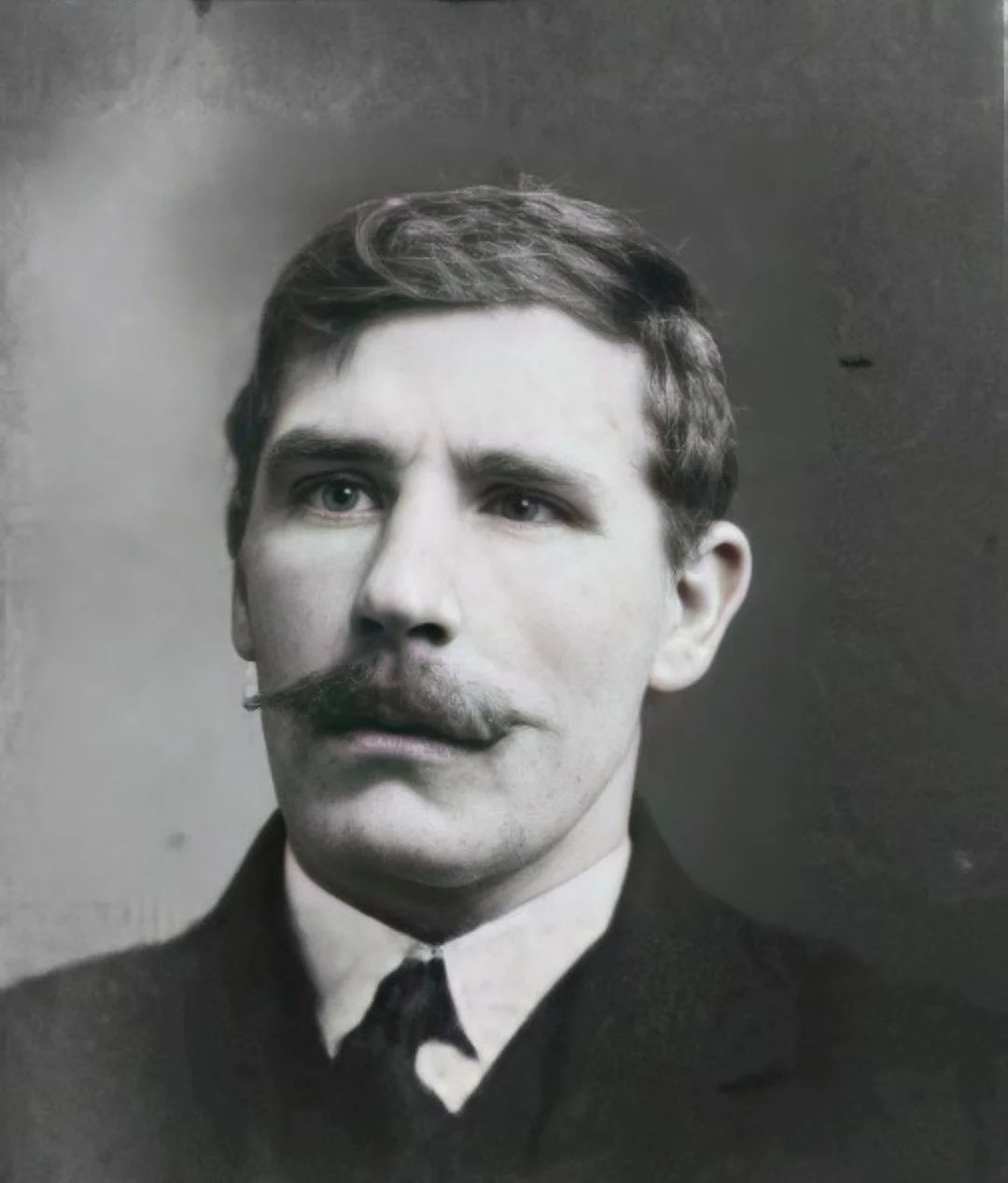
Early work - Dock Labourer
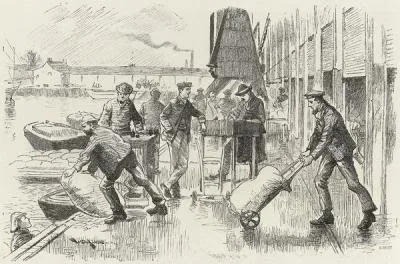
From the age of fifteen George was working as a Dock Labourer like the rest of the men in his family. A typical scene is seen in the sketch below. Liverpool was one of the busiest ports in the world in the late 1800s there would have been plenty of work.
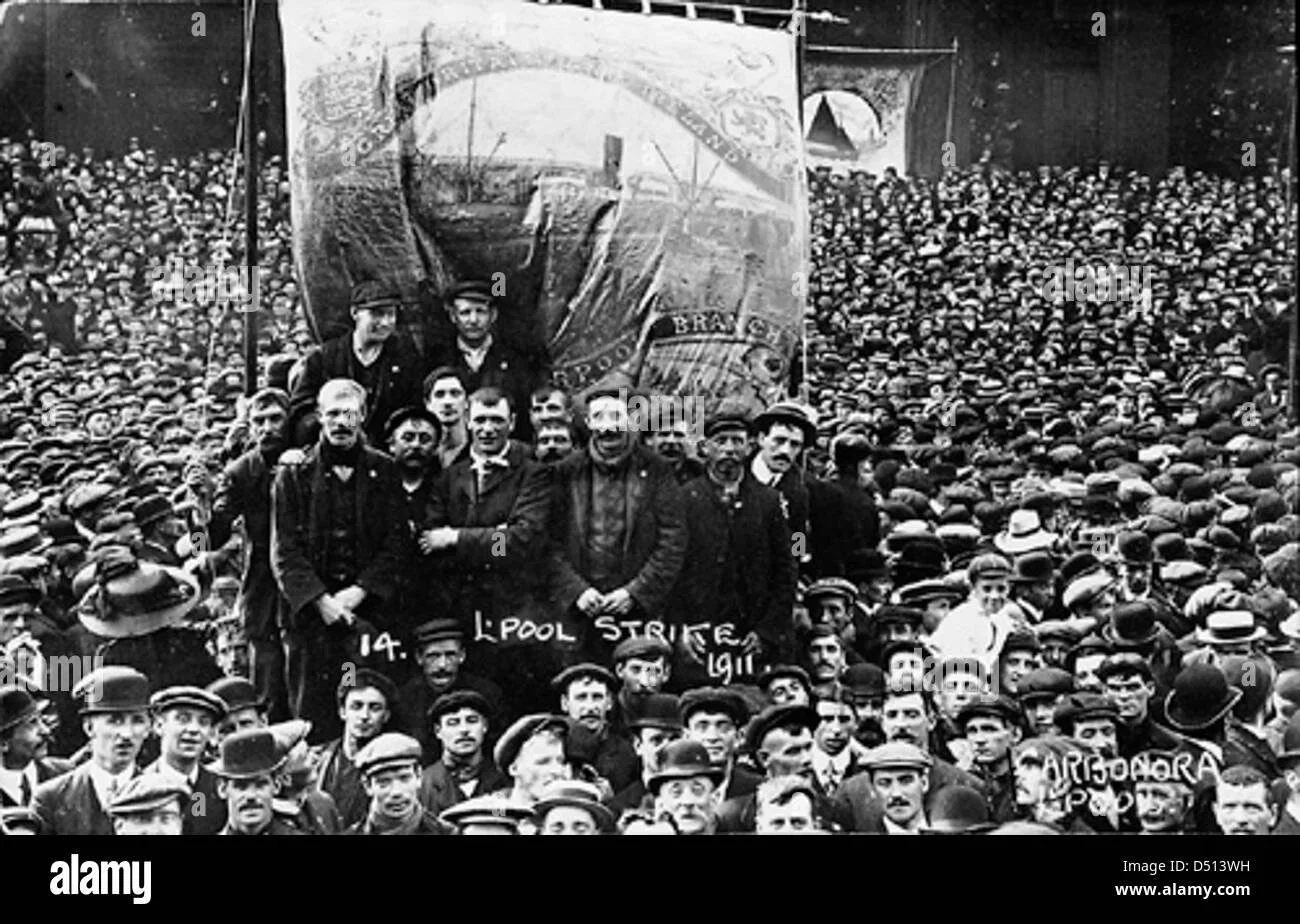
However, when he was sixteen there was a national strike of the Union of Dock Labourers over working conditions. George and any family members who weren’t onboard ships would no doubt have been involved. There’s a photo of it here in Liverpool. What an experience that would have been! All those flat caps!
George’s maritime career
George joined the Merchant Navy in 1903 when he was thirty.
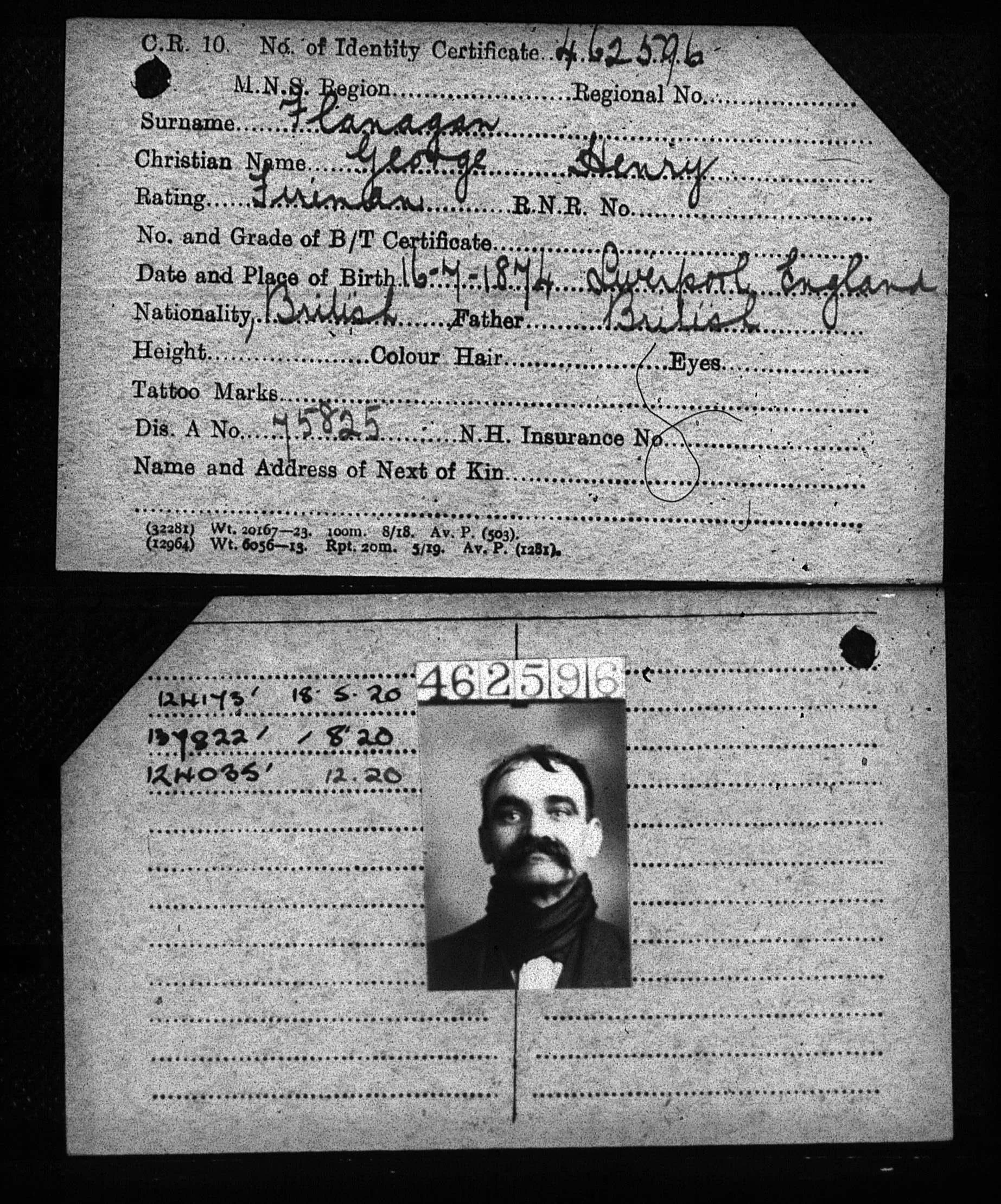
Unbelievably, I found a photo on his Merchant Navy card on FindMyPast (and those of his brothers). Incidentally there’s a fantastic website - the Crew List Index Project - which is a not-for-profit volunteer project, set up to assist research into the records of British merchant seafarers of the late 19th and early 20th century. You can even search by ship.
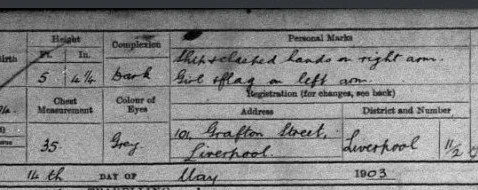
George’s identity certificate is pictured here. I was disappointed that the description was left blank, but fortunately, when I found his full maritime report, the description was included: 5’4”, dark complexion, grey eyes, 35 chest measurement.
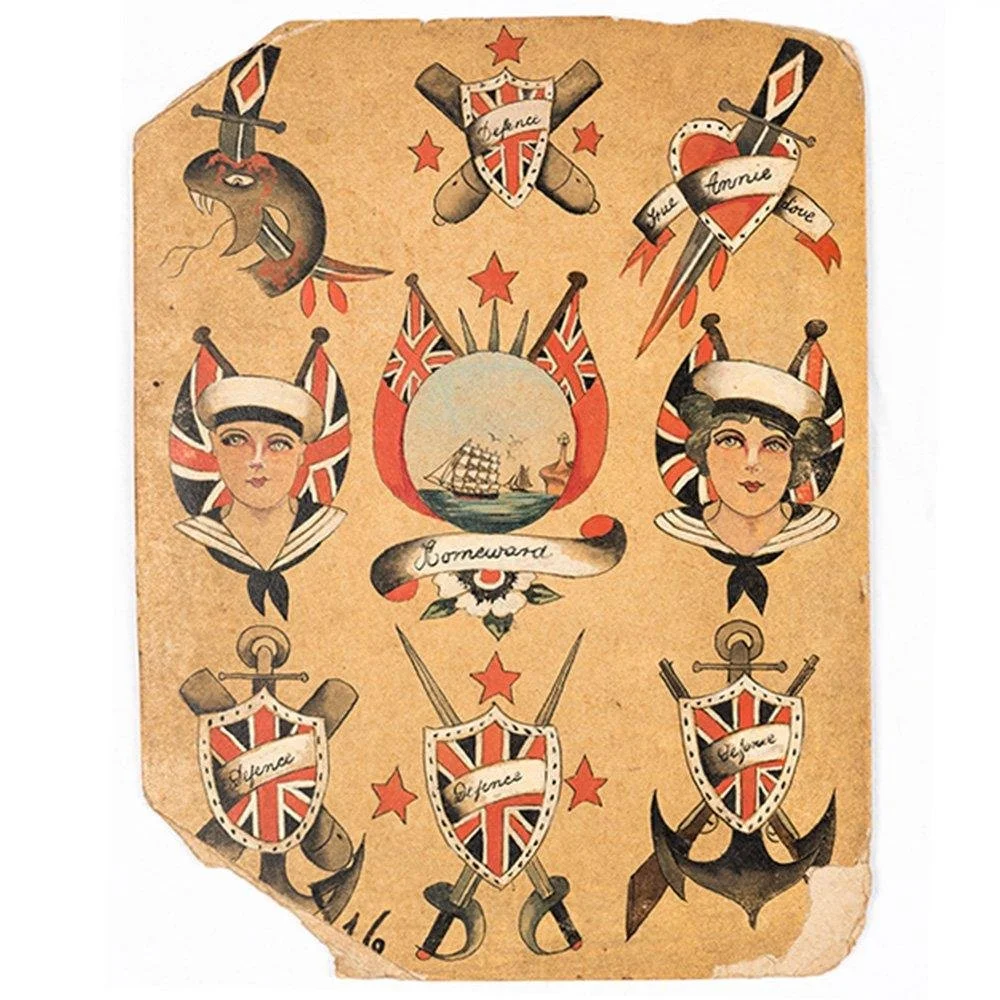
It also said that he had two tattoos - one of a a ‘ship and clasped hands’ and one of a ‘girl & flag’. Perhaps not unlike those pictured below!

Ships and voyages
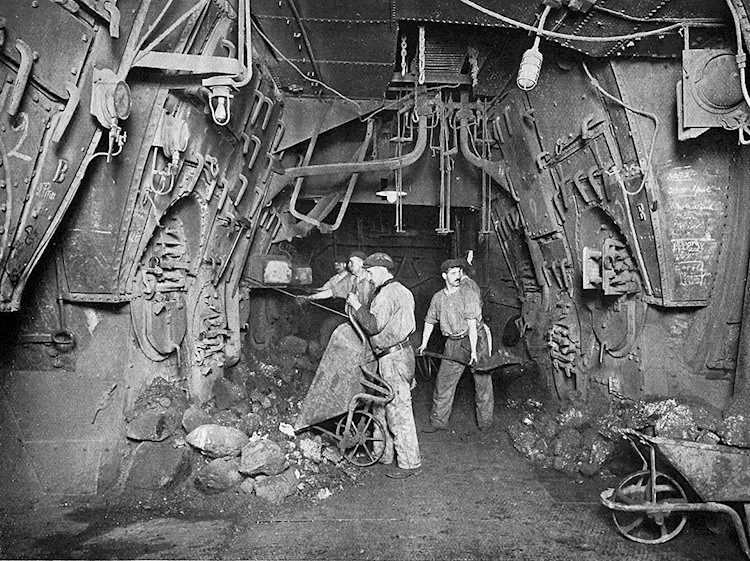
George’s records list all the steam ships he worked on, and his Occupation is always ‘T&F’ (Trimmer and Fireman) or Stoker which means he was working in the bottom of the ship, either sorting the coal, or literally shovelling it into the furnace to keep the ship moving. It was a dangerous and exhausting job. The working pattern was usually something like four hours on, eight hours off. They were all cargo ships, and at the destination port the engine room labourers might have had a few hours ‘shore leave’ depending on the ship’s schedule.
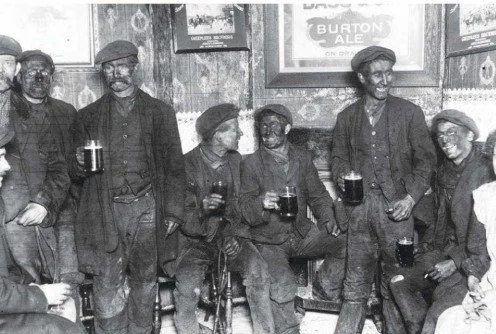
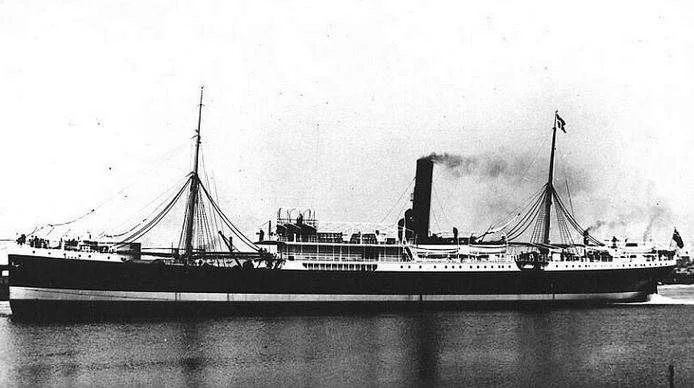
It was nice to find George working as a Fireman with his brother, Walter, on the Bornu ship (pictured) on its voyage from Glasgow to West Africa. I imagine them being just like one of these ‘Black Gangs’ in the picture below, a common sight in Liverpool’s pubs at the time.
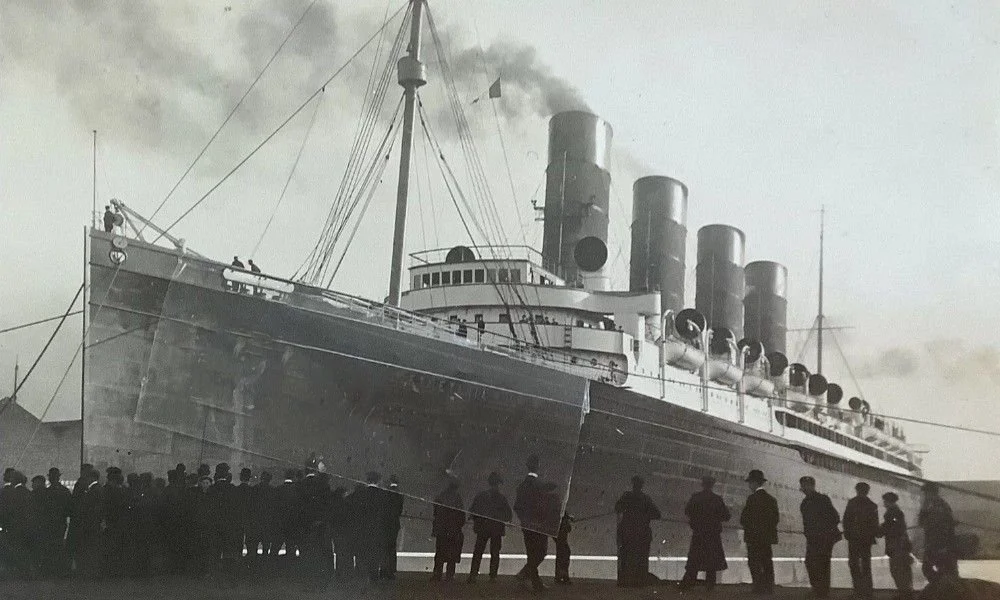
It was exciting to see the Mauretania on the list (sister ship to the Titanic - pictured below) which George worked on in 1910 - two years before the Titanic sank) on one of its voyages to New York.
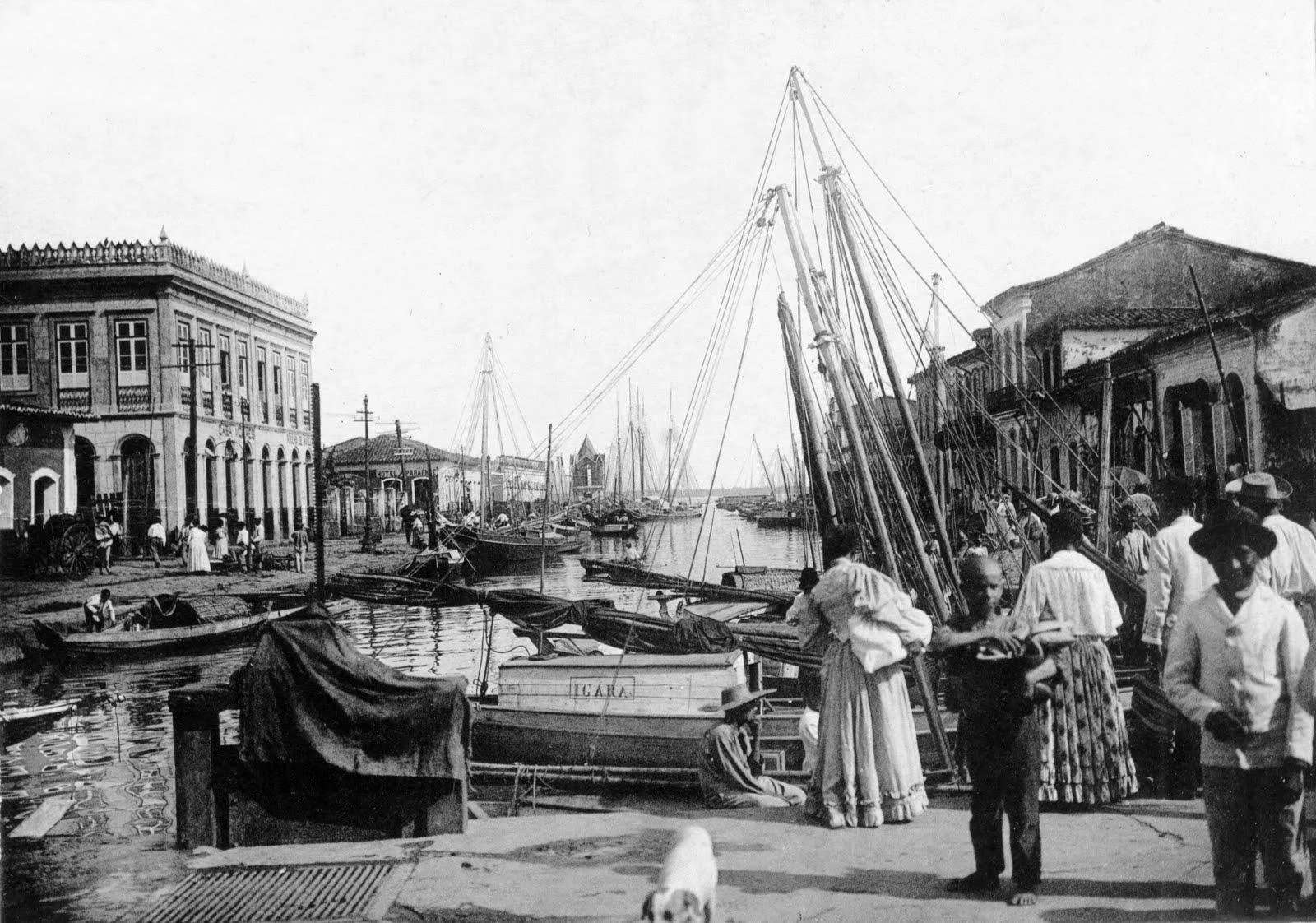
George travelled all over the world including: New York, Brazil, Trinidad, West Africa. The photo (below) is of the port of Para (as it was called) in Brazil, as it would have looked at the time George was there. I wonder if he had the chance to spend any time there.
George’s World War One
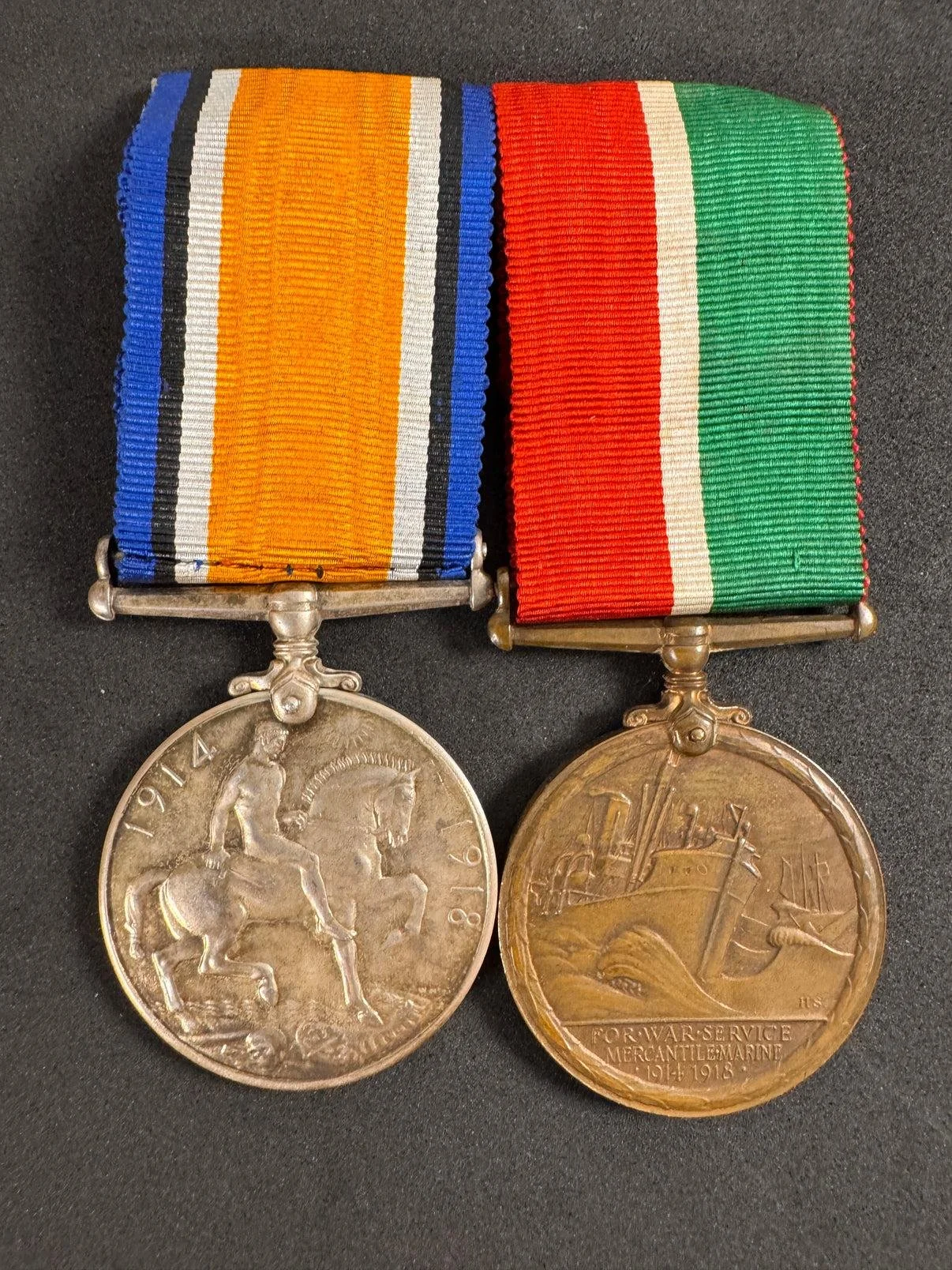
In 1914, just before the start of WW1, George was discharged with sickness in Trinidad and disability award for life (I’m still investigating it). However, he must have contributed to the war because in 1919 he’s awarded the Mercantile Marine Ribbon, the British Medal Ribbon, and the Mercantile Marine Medal (pictured).
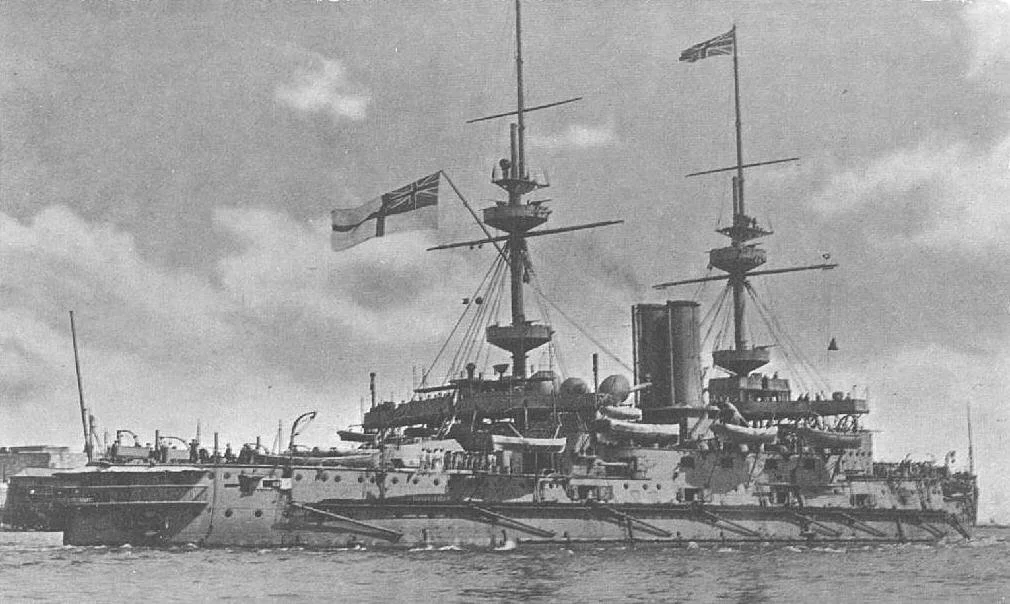
I also found him working on the HMS Majestic, which was a navy battleship (one of the largest battleships in the world - picture here). He worked on it for a month shortly before war broke out.
I’m still trying to find ships he was one that were used in combat.
The last few years
I found George living with his mother and his sister, Julia, for the last ten years or so of his life, on Upper Stanhope Street. On the 1921 census, most of the men in George’s family were out of work during the great depression, but I do find him on two more ships’ manifests - one aged 46 and one aged 55.
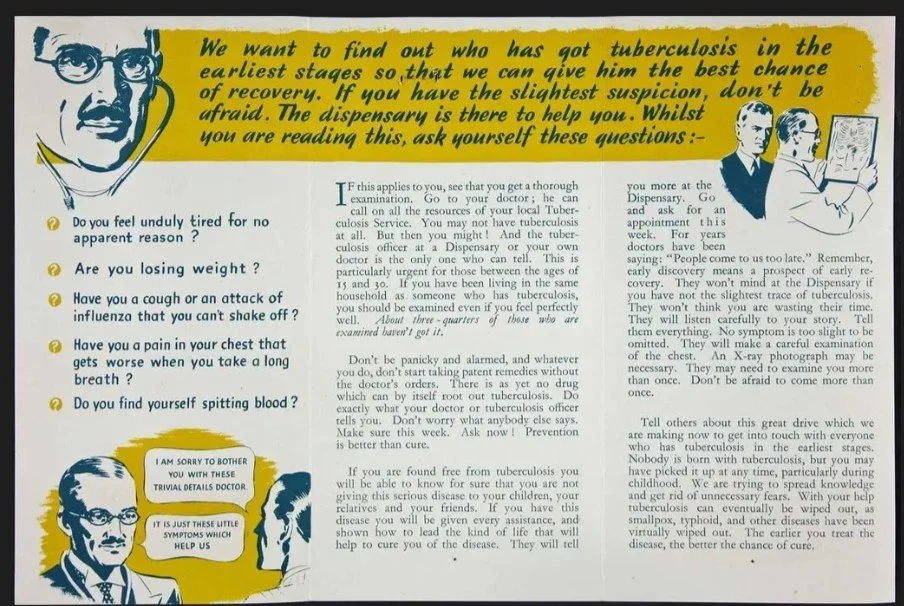
George died of TB aged 56 in 1931. TB was commonplace amongst mariners due to poor ventilation and poor conditions in the furnace rooms of ships, and cramped cabins. This was one of the reasons for the national strike. The public health notice shown here would have been a common sight in Liverpool in the early 1930s, trying to get people to see doctors sooner.
On George’s death certificate it said that he was a ‘Pensioned Stoker for 30 years with the navy’.
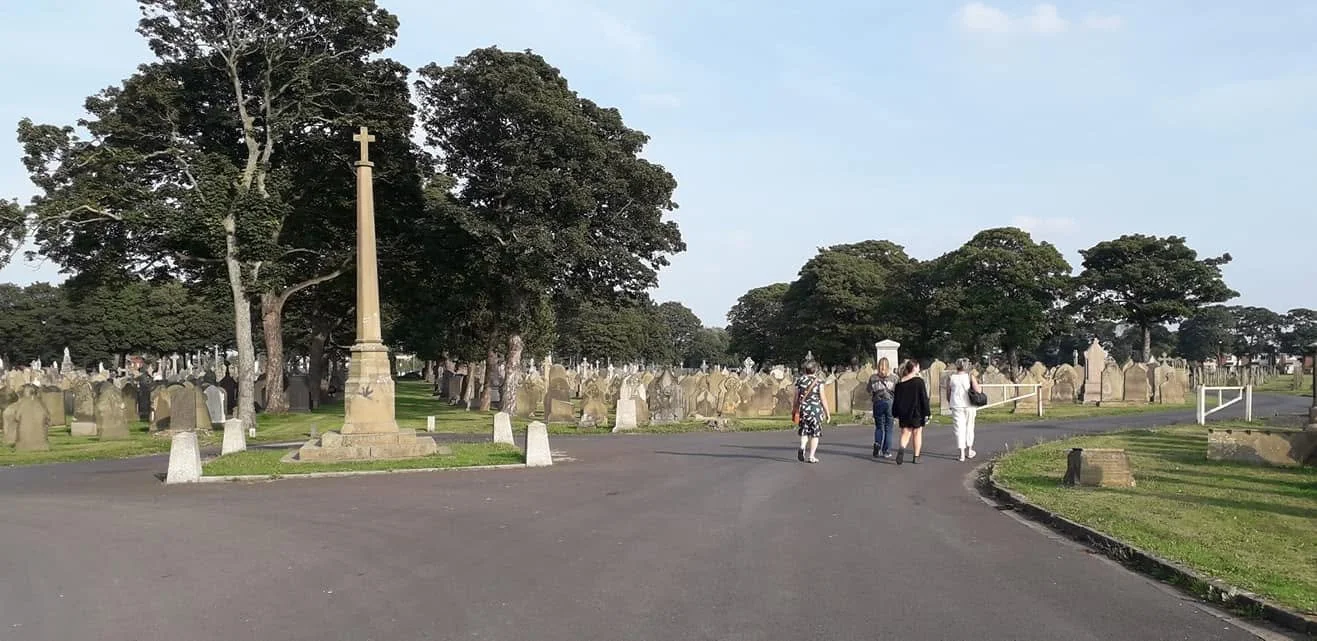
George was buried in Ford Cemetery in the same plot as his parents, grandparents and siblings.
I found his story very moving. His was the perilous life of a mariner and, like many others in his family, he dedicated his life to the sea. He had no wife or children to support, and yet he still worked himself to death.
RIP George.