Finding my biological grandad
First I need to tell you who my grandad wasn’t.
I’d grown up with the concrete fact that Harry Flanagan from Liverpool was my grandad. His name was on my grandma's marriage certificate as her husband, and on my mum's birth certificate as her father. I mean you can’t argue with that. Except you can… and you can read about it in "NOT My Grandad" It was quite the journey of discovery.
So, if not Harry Flanagan who on earth was my biological grandad? He could be anyone! Where do I even start? Could he still be alive?
I knew this was going to be difficult, but by this time I was a dog with a bone, not to mention feeling more and more frustrated with not knowing where half my maternal roots were. It hadn’t really mattered to me that much until I didn’t know.
Research highlights
Listening to the male voice choirs of the mining towns of South Wales
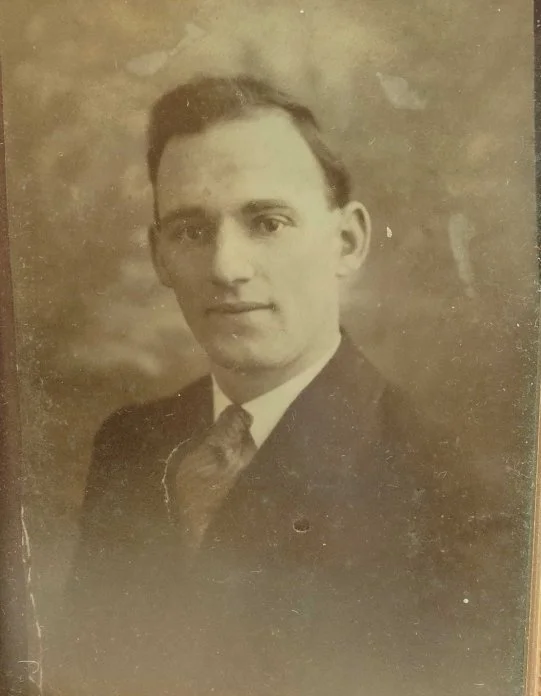
Finding a neice of my grandad who gave me a photograph of him, and seeing the likeness with my mum
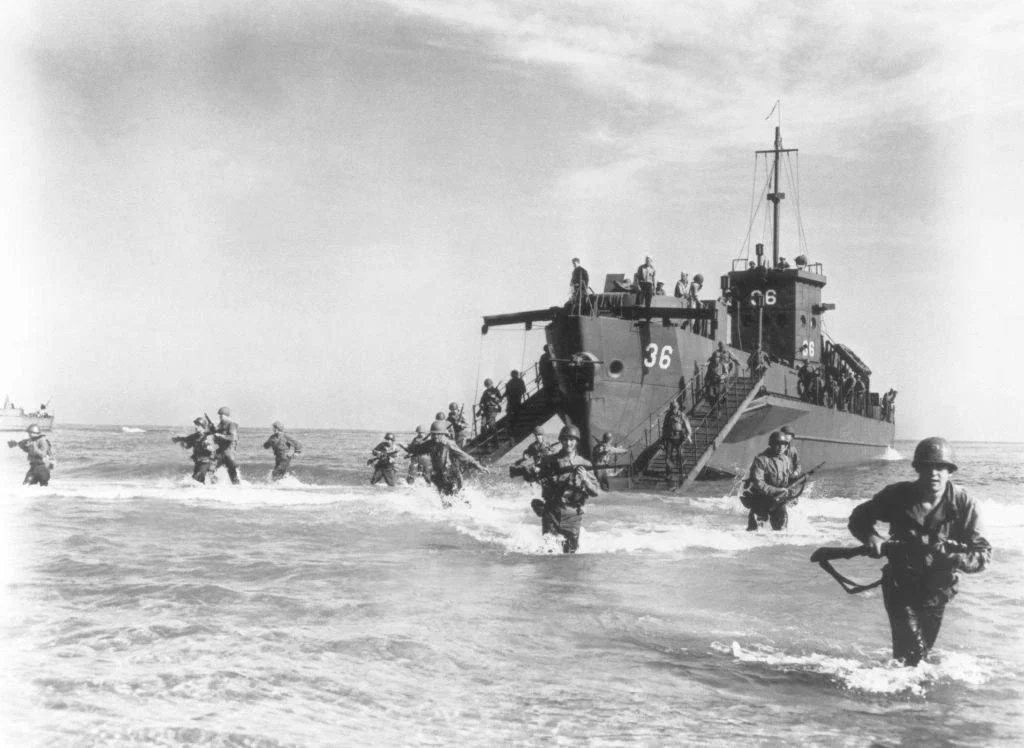
Finding out from my grandad’s service records that he’d been at the Salerno landings in WW2 with the Royal Artillery
Meeting Alun
So where were these roots?
DNA to the rescue
I turned to DNA, focusing on my 35% Welsh ethnicity. I’d never really questioned it before. I knew my mum had lived in North Wales, so I suppose I had always assumed the Welsh came from my maternal grandma. But I needed to check it out. On the Ancestry platform I started analysing my matches, eliminating those from my dad’s side, focusing on a pattern of matches – distant matches, but matches nevertheless - coming from South Wales, in particular from the Rhondda. I started hammering out messages to any of my matches with links to that part of the world, ten a day. This narrowed it down to a large family from Treherbert, with around thirty contenders to research as possibly being my grandad.
What made it more complex was that we were dealing with families of William Williams, Morgan Morgans, Edward Edwards etc, and siblings of one family had often married siblings of the same family.
I DNA matched with another couple of distant cousins (126cM) who were also interested in their family tree. They were able to provide information about our shared great great grandparents and some of the general background of the wider family. They were very helpful. I had a phone chat with a lady who I had a 197cM match with, who told me all about the scandal amongst the ancestors of her family branch.
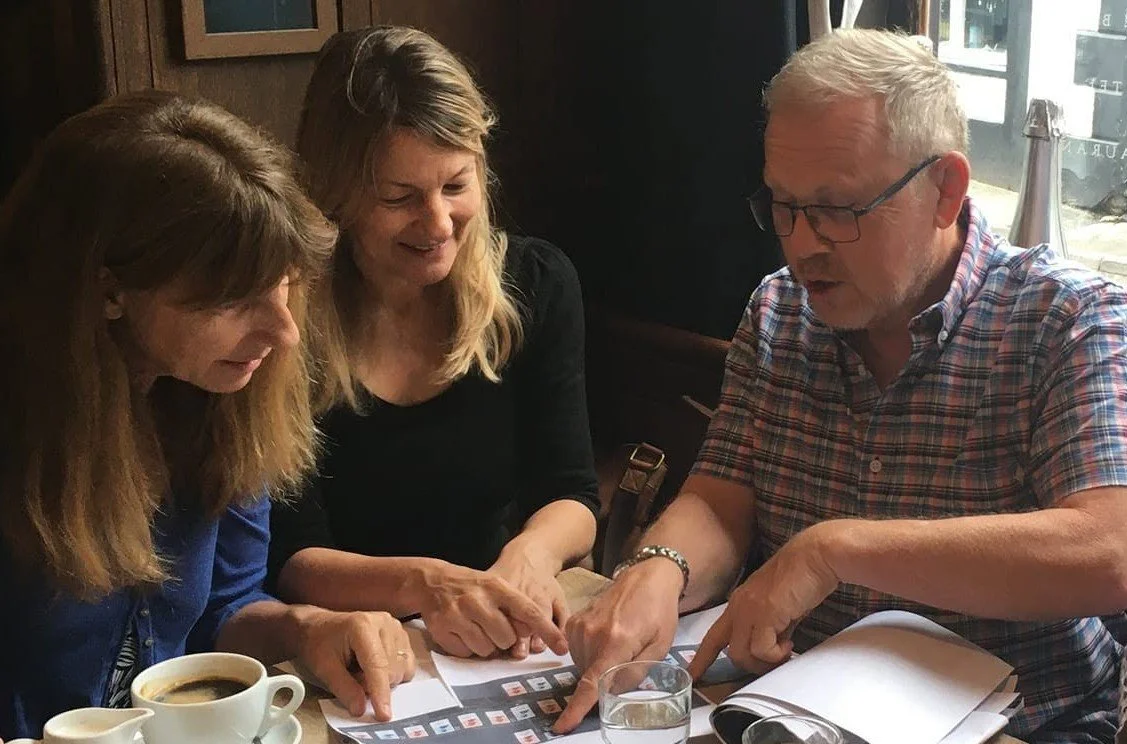
My sister and I also had a 71cM with a man called Alun who we met in Llangollen (see photo) and who ended up as a dear friend. We’re still not 100% sure of the link (I think he’s the 2nd grand nephew of the wife of my 2nd grand uncle) but we’re cousins and that’s good enough for us!
These cousins’ cM matches (and others) were too small for my grandad to be a direct ancestor of theirs. But at least I was able to eliminate their small branches. It was just that any other direct ancestors of his had not submitted their DNA. I was hoping to find him through the process of elimination but there were still many branches left that had not been ‘owned’ by any of my matches.
Not knowing if my grandad had been someone much older than my grandma, or much younger than her, or the same age, made it challenging.
I decided to see if I could find a man who had a connection to Liverpool.
Contenders
Was my grandad the miner whose choir passed through Liverpool on its world tour? It was fun looking up all his itineries, looking up the beautiful songs in a programme I found, and seeing all the various instrumentalists that travelled with the choir. He went on the short list.
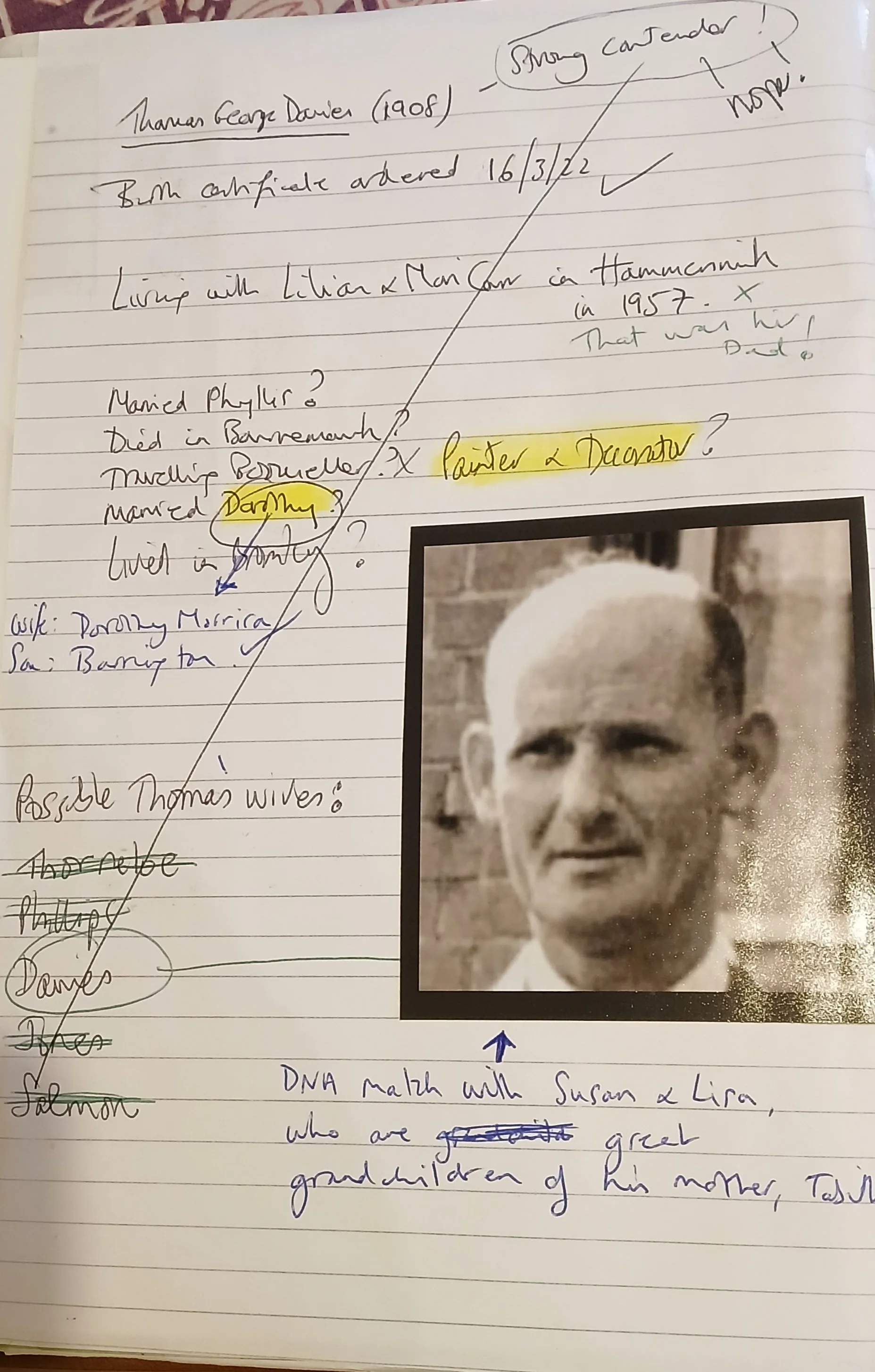
Was he the man who resembled me who was roughly the same age as my grandma (pictured)?! He was a contender for a while until I discovered he was overseas when my mum would have been conceived. Speaking of which, we didn’t know whether my mum was born early, on time, or late, so the conception window was wide!
Was he the Submariner who’d lodged in Liverpool for a few weeks? I even tracked down this man’s son and asked if he’d mind doing a DNA test to see if he was my uncle. He was very obliging (we never did get that pint) and he sent me a photograph of his dad standing on a submarine (pictured). I was so excited because by that time I was convinced I’d hit the jackpot, I’d even seen a likeness to this potential grandad in my son! Although this guy matched with me (173cM), it wasn’t close enough for him to be my uncle, but it did eliminate another branch.
There were others, and they were all very interesting stories but none were my grandad. But we were narrowing things down. Just as I was thinking about taking a train to Treherbert to knock on people’s doors and ask “Are you my Grandad?”, another breakthrough.
Breakthrough
This was such a big task, and such an important one, that my sister and I shared out the research. She took one strand of a branch, I took another, and we continued to send messages out on the Ancestry platform, getting somewhere and nowhere at the same time. We were going round in circles.
I received a message from a lady who it later transpired was the wife of the grandson of our great uncle (get your head around that one). She was researching her husband’s family tree for their children, and had come across some of her husband’s ancestors in the online tree I’d temporarily created for this enormous family from Treherbert. We looked at the branch of her husband’s and there were two brothers, perfect age, perfect contenders.
But which brother??
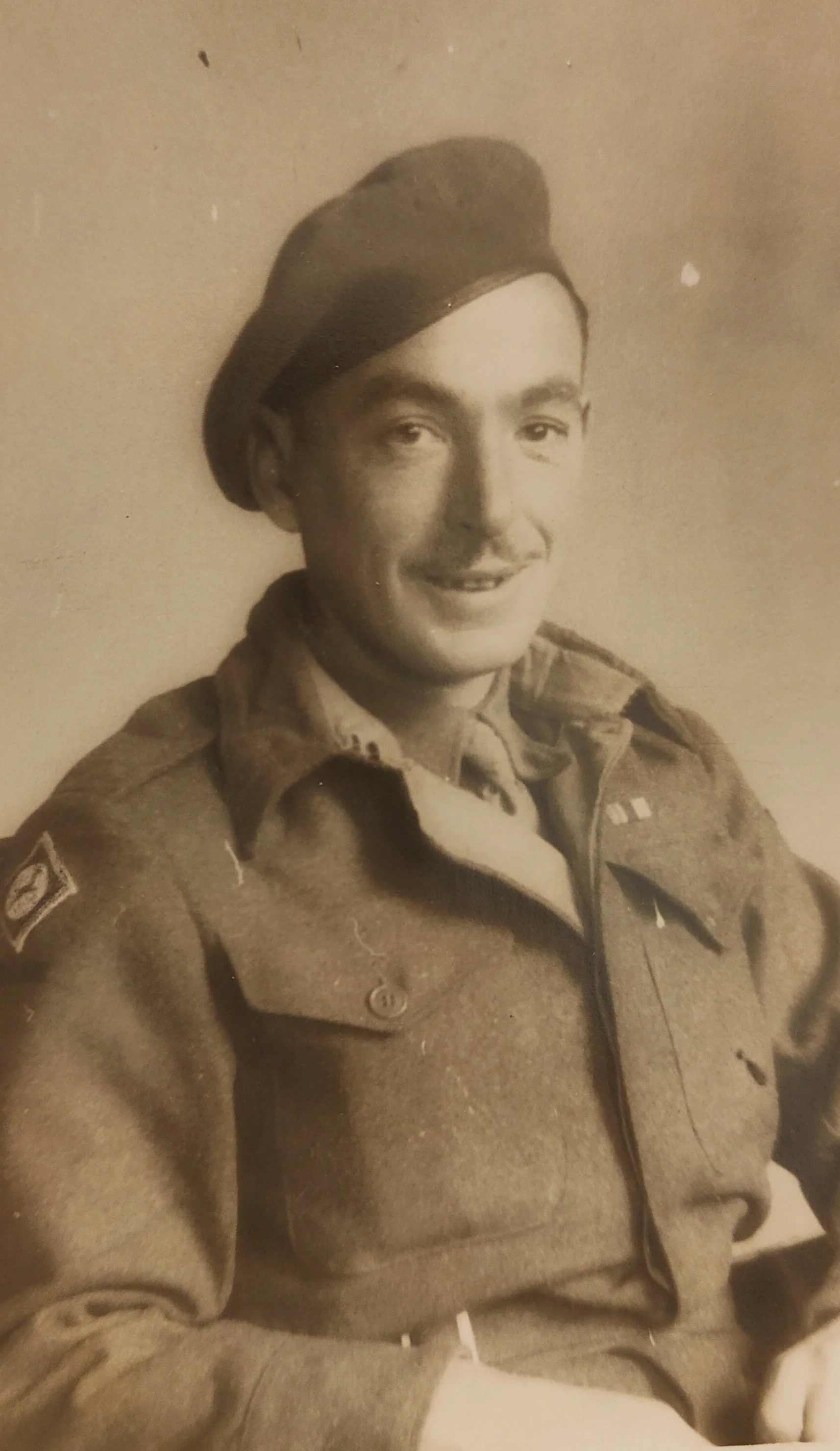
That part turned out to be easy. One brother stayed in Treherbert his whole life, the other joined the army and lived in Liverpool in the 1930s before serving overseas in the second world war. In 1939 he was living around the corner from where my grandma was living. Once we saw the photos it was conclusive.
What was more conclusive was when the lady I’d been messaging asked her mother-in-law (my grandad’s neice) to submit her DNA. Then we had our answer - she was a 471cM match. So who was he?
My grandad’s family/background
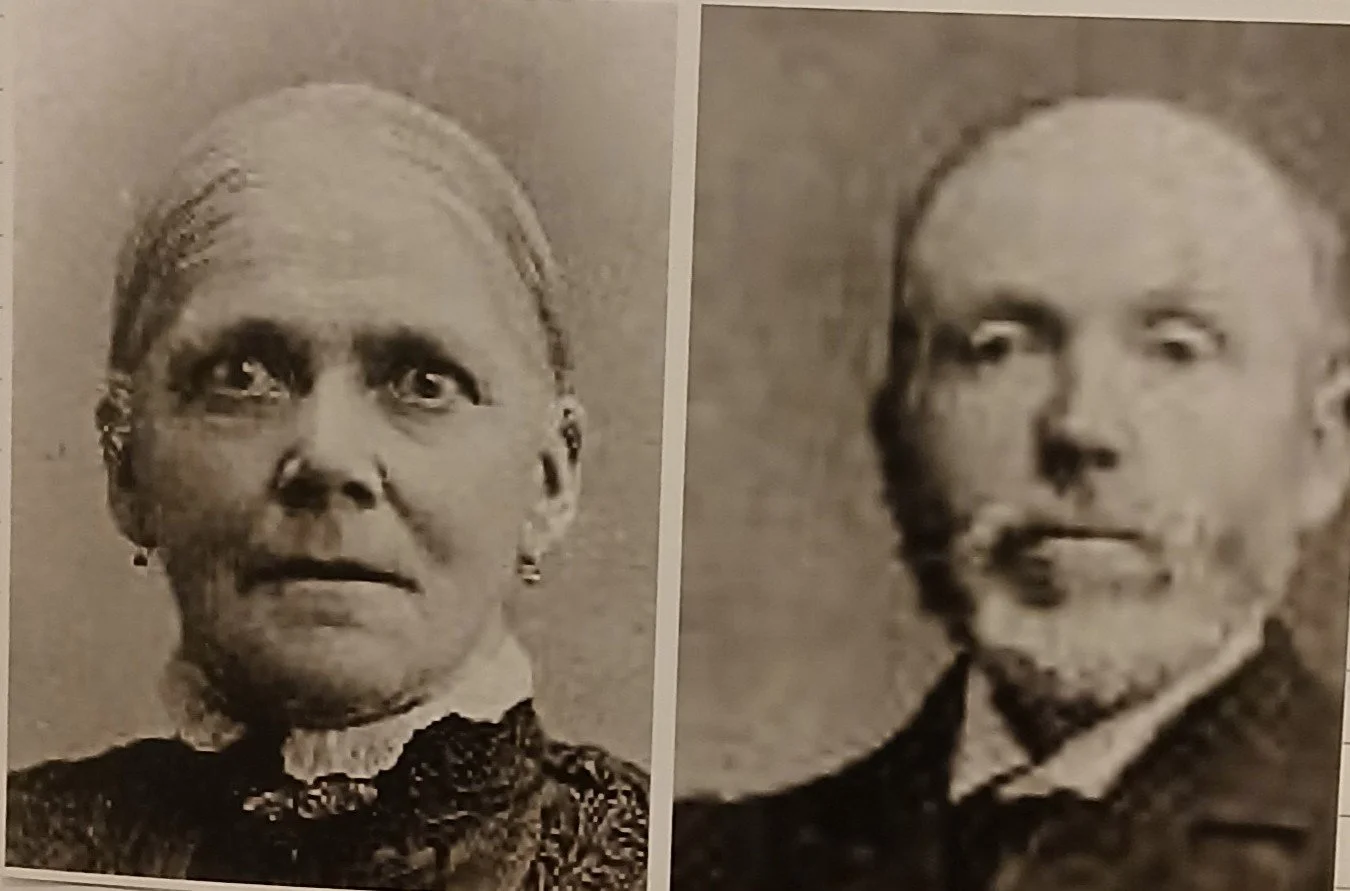
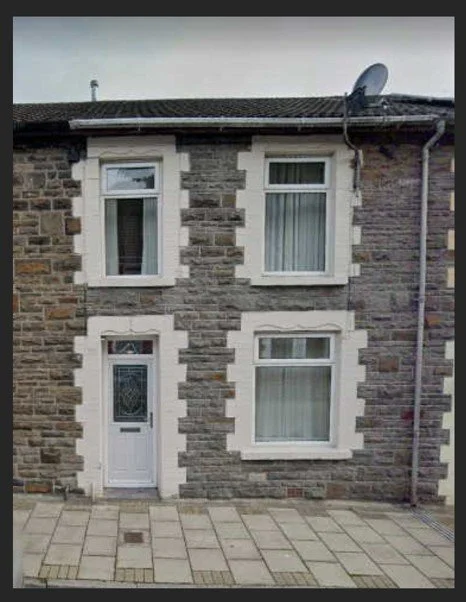
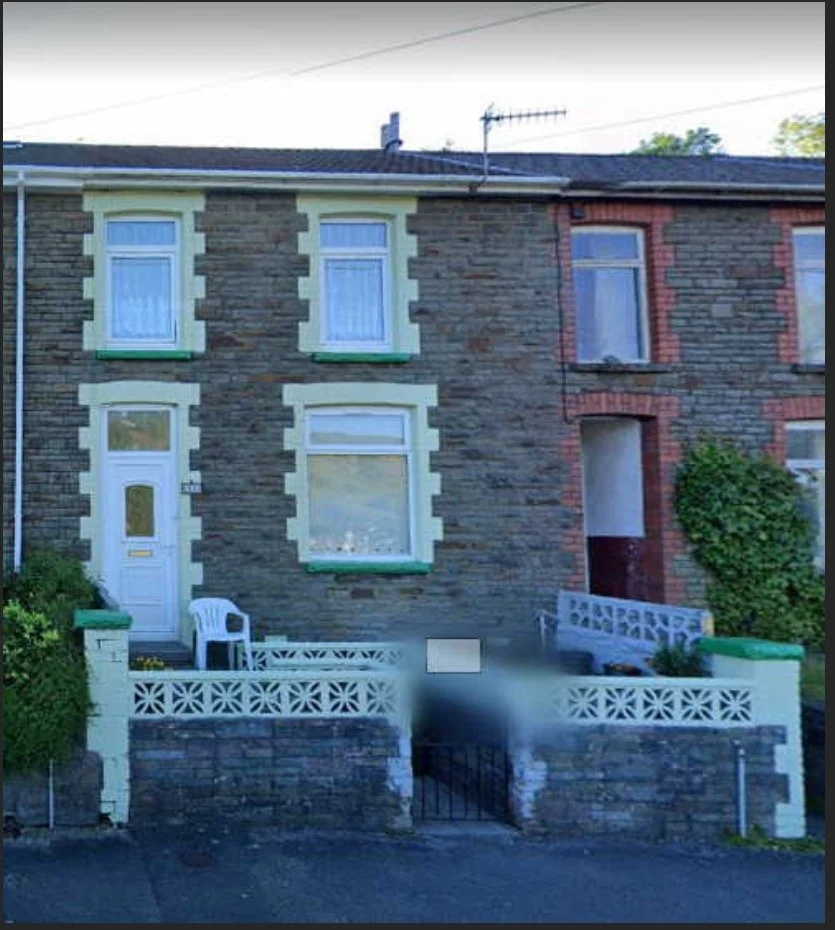
My grandad’s ancestors moved from Pembrokshire to the Rhondda presumably for the work in the mines. His grandparents and brother are pictured here. The men were all coal miners (either hewers - tapping at the coalface, or hauliers - transporting coal away from the coalface). His father was a hewer from aged fifteen. It was a small town but the population was about 8,000 so the families were packed-in to the small terraced houses that were built around the collieries. In the 1921 census one of these cottages housed seven of my grandad’s extended family; they were all out of work.
My grandad was born in 1911 and grew up with his brother and sister.
My grandad’s cicumstances
His father died when he was just three years old and his mother remarried. In the 1921 census he’s taken his stepdad’s surname, but he dropped it soon afterwards
His mother died when he was sixteen. It was then that he must have had enough and looked for a way out
His sister never left the area, had two husbands and lived a long life
His brother was involved in a mining accident and with the compensation he bought a small farm. Tragically, he died of at just 48 of silicosis (lung disease caused by inhaling dust, common amongst miners)
Mining in Treherbert in early 1900s
I loved researching the mining life of Treherbert. I blubbed my way through How Green was my Valley.
I learnt about the big Lock Out that my grandad would have experienced as a child when all the miners went on strike and families had to eat in soup kitchens.
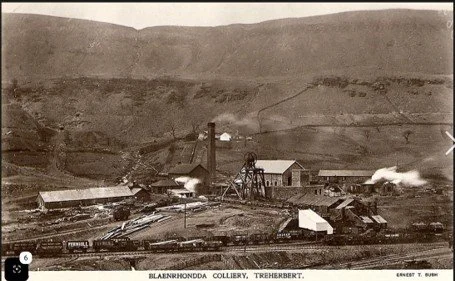
I found these two collieries (Bute and Fernhill Collieries - photo credit Rhondda Cynon Taf as actual places of work for my grandad’s uncles, cousins and grandparents.
I also found these coal hewer photos from the Museum of Wales, captioned hewers from Treherbert, a real find.
My grandad rejected the mining life
When my grandad was 17 he enlisted with the Royal Regiment Artillery. I wonder what his family thought about it. His parents had died, but his brother and uncles stayed working in the mines and his sister was still local. Mining was a way of life, a heritage, I wonder what it was that made him walk away from it.
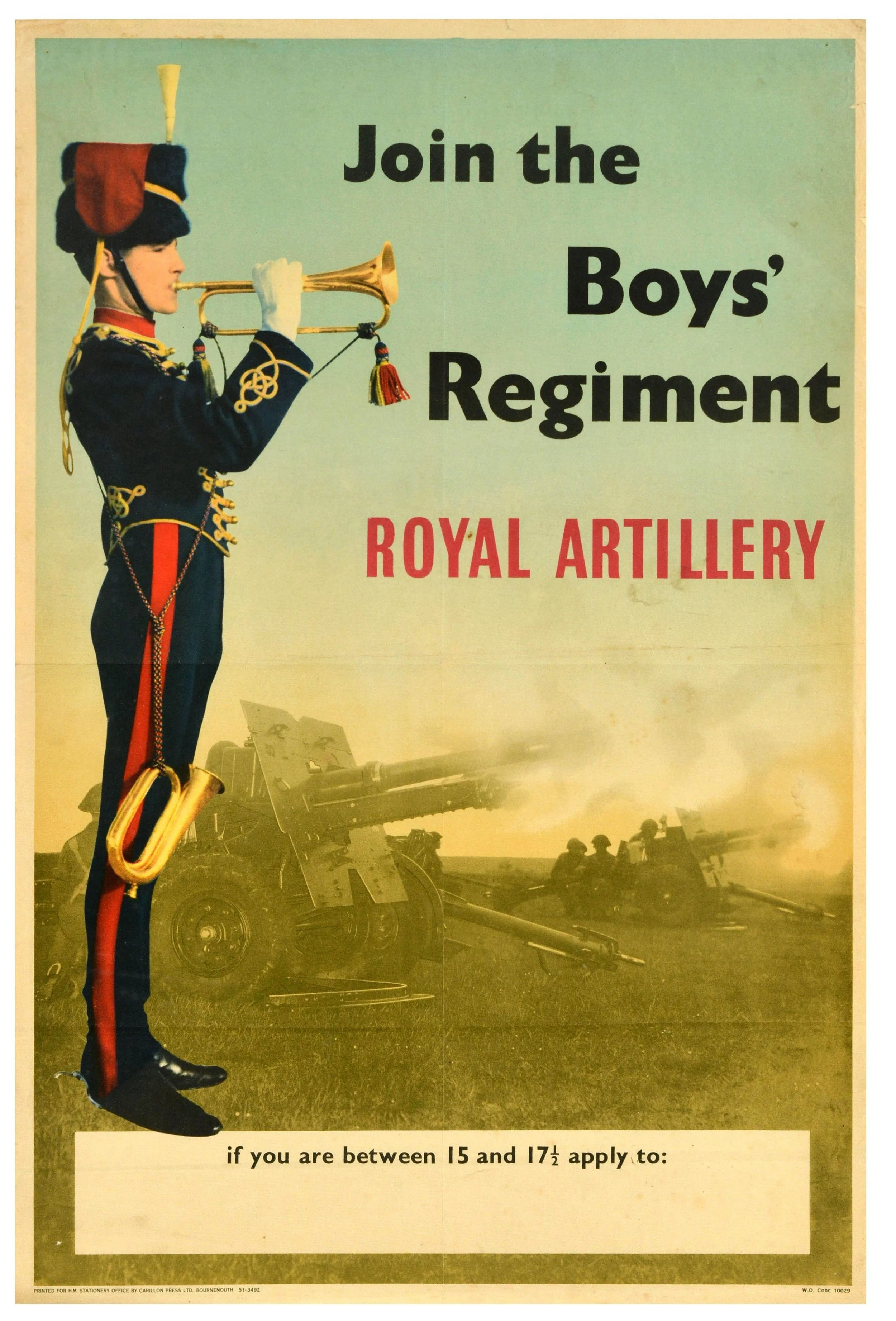
Maybe he saw this recruitment poster (he was seventeen, so just young enough) with the howitzer in the background, he did end up being a bombadier!
There was a problem during WW1, when supposedly around 30,000 young miners voluntarily enlisted with the army in the space of two days. Many had to be recalled from the trenches because of the shortage of coal production. By the time WW2 came around, the government were worried about the same problem and didn’t conscript as many from the valleys.
When my grandad was 24, in 1935, he was transferred to the Reserve List and posted to Liverpool.
If he hadn’t decided to turn his back on his mining roots it would have been a very different story. This website wouldn’t exist for a start.
My grandad’s life in Liverpool
In the Electoral Roll in 1936, when he was 24, I found him lodging in Nimrod Street with the Gandy family. (On his return to Liverpool after the war, he had a brief marriage to the daughter, Beatrice, a machinist).
Sometime in 1938 he must have met my grandma, I don’t know under what circumstances. Maybe at a dance? In a pub?
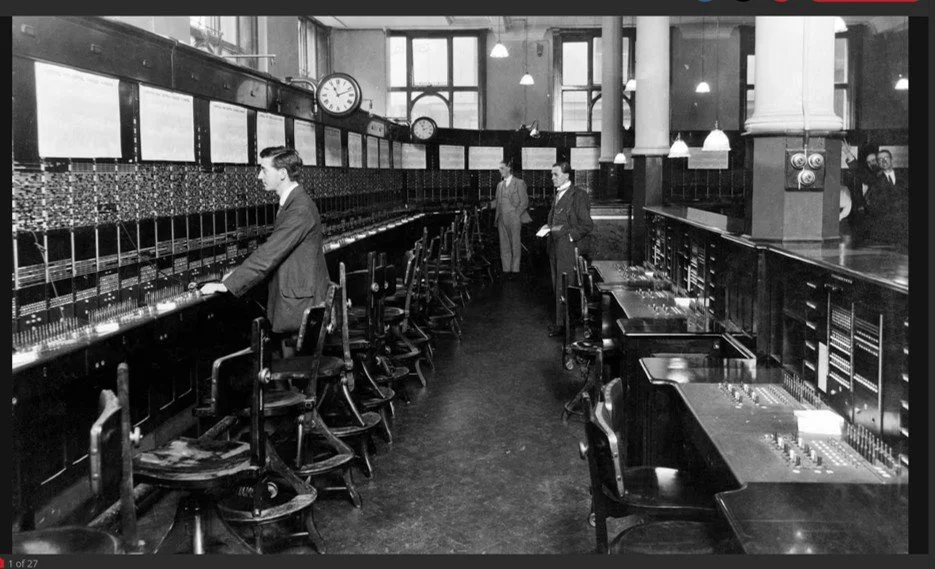
Then in the 1939 Register he’s lodging in a street in Knotty Ash working as a Telephonist. He’s living with a man who was a ‘Supervisor of GPO’, presumably they worked together. This photograph is of the new Telephone Exchange in Liverpool at around that time (credit Liverpool Echo).
He left Liverpool when he was transferred to the British Expeditionary Force (BEF). This was the name of a contingent of the British Army sent to France in 1939 after Britain and France declared war on Nazi Germany. I don’t know whether or not he stayed in contact with my grandma, I’m assuming not.
My grandad’s war
I’d already found my grandad’s entry in the War Book (the date he enlisted with the Army), so I’d ordered his full military records as soon as I could. I waited two years for these! And even then, despite six-monthly emails with the latest waiting times, I was eventually given an option. To get less information now, or to wait potentially another year for the full details. I knew from my ‘non’ grandad’s records that even basic records hold a wealth of information so I chose ‘less now’. They didn’t disappoint. There was some information witheld, but that was only because my grandad had worked on communications projects while he was in Liverpool that were confidential.
Most of his war was spent with the Royal Artillery with the British Expeditionary Force as a Bombadier (see picture below). He travelled to Africa and was at the Salerno landings, the allied invasion of mainland Italy. It was an exciting discovery and I enjoyed the research, especially these two photos. Strange to think that my grandad might be one of these men.
His later life
After the war, and after his short marriage to Beatrice (he had no children with her), he lived in Liverpool for a few more years and then married again and had a son. He moved back to South Wales for his remaining years.
He died in 1981. I could have known him.
We still haven’t connected with his son (that’s the reason I haven’t named my grandad on this site), but we saw a photo and he’s the spit of our mum.
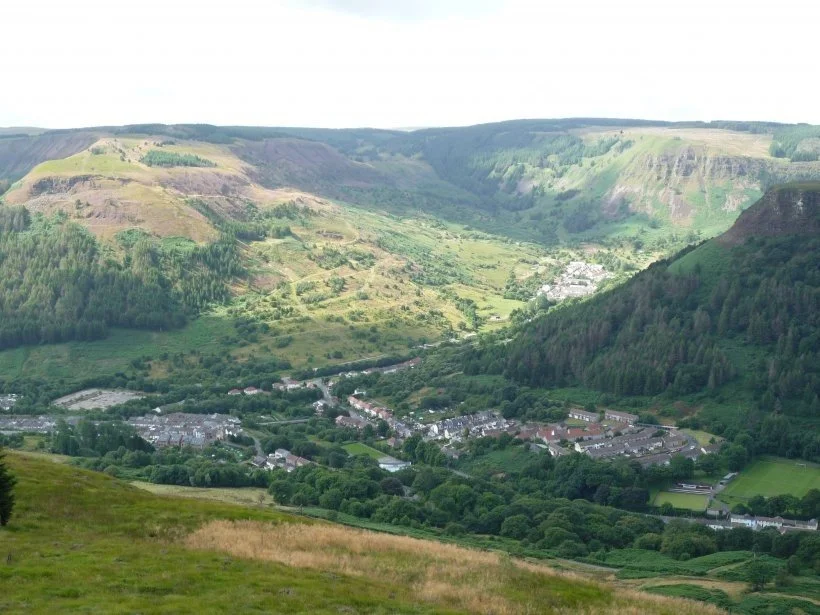
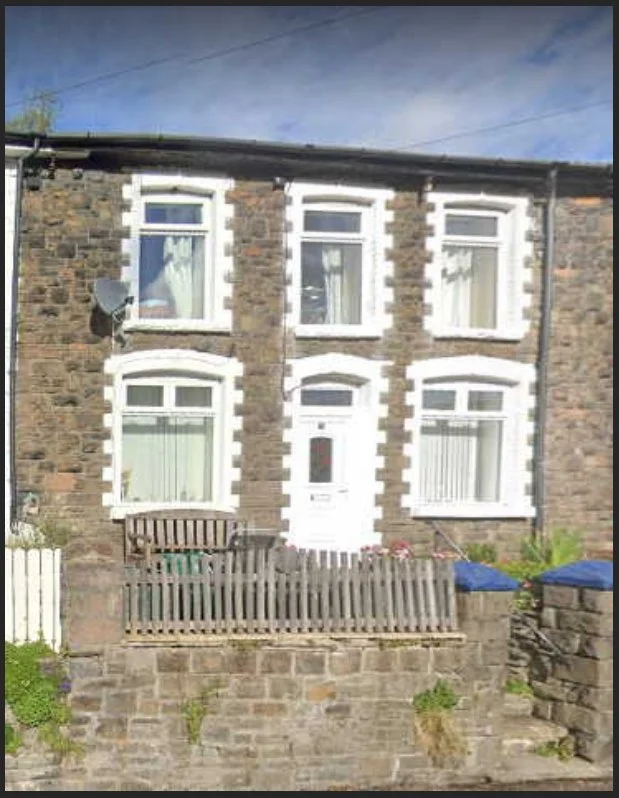
Listening to the male voice choirs also reminded me of my mum’s funeral, when we played Calon Lân. As mentioned earlier, my mum spent time living in North Wales as a young girl and was fluent in Welsh. Strange that all that time she never knew she had Welsh blood coursing through her veins (as do my sister and I!). This photo is of Treherbet, where our Welsh roots lie.
It’s sad to think that she had a half brother that she never knew about too. (In fact, she had two more half siblings that she never knew about, but those are different stories for another day).
I have a photo of my grandad framed on my wall now and a piece of my ancestry jigsaw has fallen into place.
The Valleys
I listened to as many songs of the valleys as I could. You’ll never hear a more rousing sound than a Welsh male voice choir. This was when I first heard the song Take Me Home whose lyrics inspired the title of my novel.