The mystery ancestry DNA match
I’d bought my daughter a DNA kit for her 21st birthday. The results were so interesting her dad did one too. His showed that he had Neanderthal roots which I thought was hilarious. I wanted to join in so I spat in a tube and sent it off. The results were useful to my ongoing research on my grandma because they showed me some strong Welsh roots, although I wouldn’t know for a long time where they came from (see Finding my maternal grandad)
In the meantime, out of the blue, I received a notification about a whopping 510cM DNA match. This was huge and I had to look at it several times before it sank in.
It was a first cousin match with a lady living in Toowoomba, on the edge of the Australian outback
Her ethnicity was given as “Aboriginal and/or Torres Straight Peoples”. I called my sister who’d become used to my calls – at any time of day or night – whenever I’d found something interesting. “Shut up!”
The author acknowledges the traditional owners of the place now called Australia and pays her respects to elders past and present.
Research highlights
Meeting my new Australian cousin and going to our grandma’s grave together
Discovering I had a half uncle
Speaking to a local newsroom journalist in a small outback town
Finding the records from the mother-and-baby home where my grandma was (Cradlehurst) from the Salvation Army, and a photo of the institution at the time.
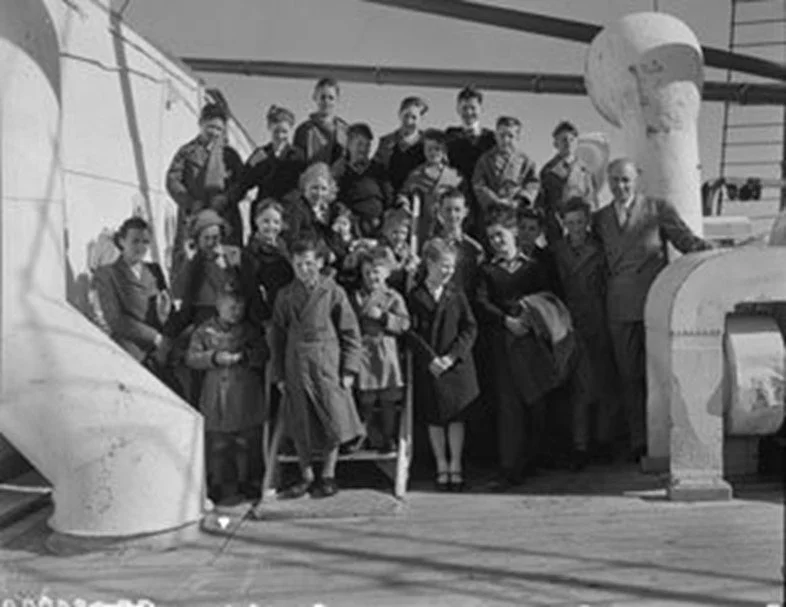
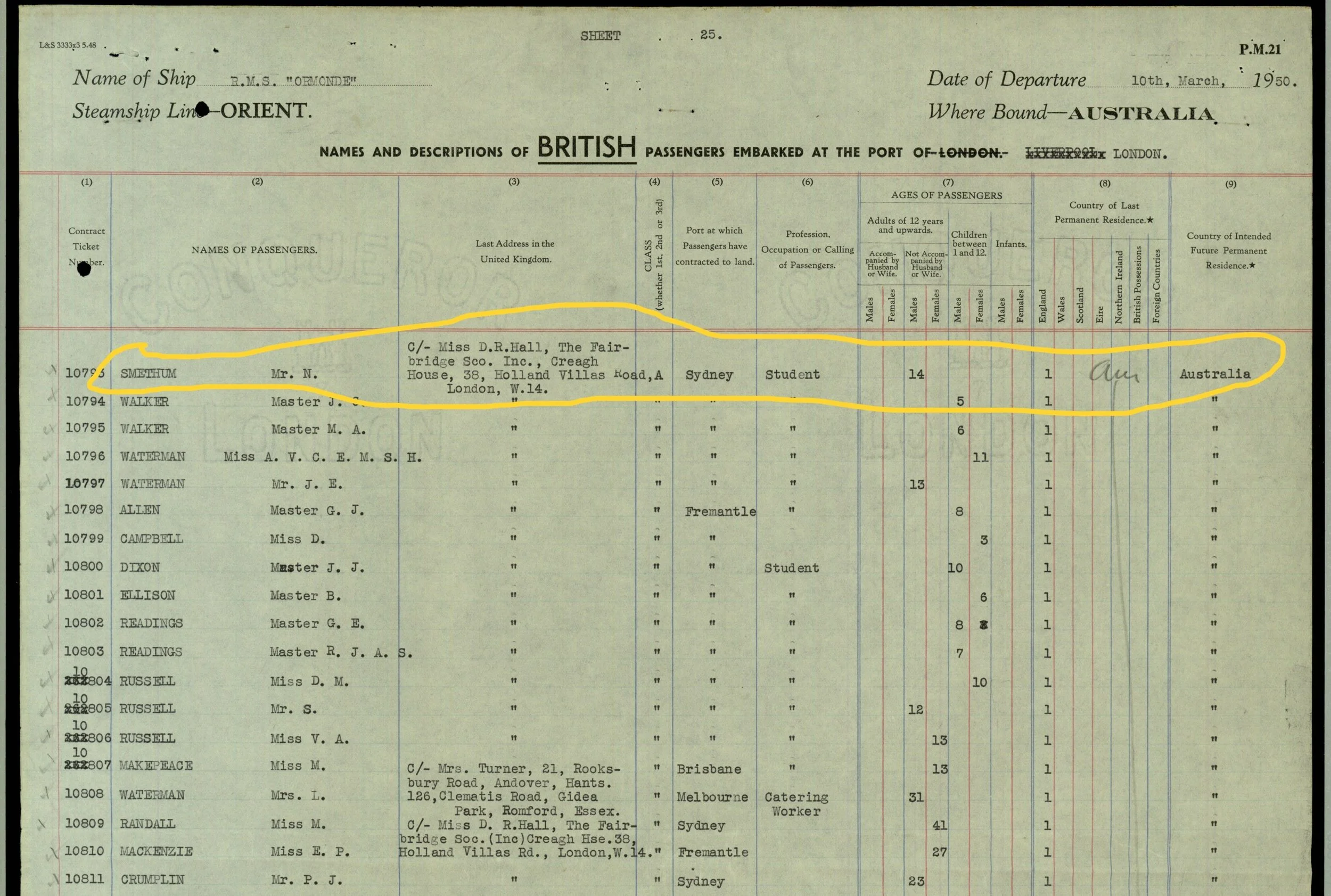
Finding a photograph of my uncle on the ship leaving for Australia
The call from the Child Migrant Trust
Tracking down the daughter of a relationship my uncle had in Perth who gave me photos of him as a young man
Discovering my uncle’s father grew up on the set of Peaky Blinders!
Discovering my uncle changed his name to forget his past without knowning he’d changed it to his biological dad’s name.
Meeting Martin, my uncle’s paternal nephew, in The Vines in Liverpool to try to unravel the mystery!
Establishing the facts
I sent my DNA match a message on the Ancestry platform but she didn’t see it for a day or two. It was an agonising wait. We found her on social media, first on Facebook where I sent her a message but she didn’t see it. Then my sister and I sleuthed her immediate family, and we found that she had a niece on Twitter. I asked my daughter to send her niece a message, saying that I was trying to get in touch, asking her to ask her aunt to check her Ancestry messages.
It worked. She and I had an initial exchange over the platform, then on Facebook Messenger, and then a long distance telephone call. I couldn’t wait to find out how we could be matched, all I knew was that it was linked with my maternal ancestry. It turned out that she’d submitted her DNA in a last ditch attempt to find her father.
Before she’d died, my match’s mother told her that her dad was a man from Liverpool who’d been travelling in Queensland. Other than that, all she knew was his name. He’d left her mum just before she herself was born on an Aboriginal camp. But that’s all she really knew. Phone conversations to Australia that ran deep into the night were followed by family-tree scribblings, speculations, genetic calculations and days that became months and years, and we still didn’t know who he was.
Early brick walls
The biggest mystery was that the surname my match’s mother had given for her dad was not the surname of any of our maternal ancestors. Was he therefore the son of my great grandmother who’d married, a marriage we were unaware of? Or was he the son of a daughter my grandma had? The match was too close for either of those scenarios.
The cM value meant that her dad had to be my grandma’s secret son, a brother to my mum, an uncle to me and my sister. Meaning my match was our half first cousin!
The mysteries continued:
Why coudn’t I find his birth certificate?
Why couldn’t I find him in the 1939 Register?
Why couldn’t I find him on any ships’ manifests?
Had he been adopted?
I spent a few months searching adoption certificates, but the problem was that I needed to give a specific year and a definite adoption name. The British Library helped me with this (and were very patient!). One at a time, I ordered adoptions in Liverpool (and then further afield) for a time bracket of ten years. What made it a little more complex, was that my Australian cousin hadn’t been 100% sure of his surname; it had been hearsay passed down from her mother and aunts. So I approached all the above searches using three or four versions of the surname.
The exercise yielded nothing
And so began my mammoth task of ordering birth certificates for all the boy Smiths born ‘illegitimately’ in Liverpool/Lancashire within a certain timeframe. I needed to find the baby before the adoption took place and this was the only way. I had to be methodical. There were several different registration districts (Sefton, West Derby, Liverpool North, Liverpool South) and the criterion was that the date had to fit the rough age my cousin thought he was, the time period my grandma would have been able to bear children, and dates when my grandma hadn’t been pregnant with her other children. That still left a lot of contenders.
I investigated well over a 100 births and ordered over near on 50 certificates
Theories
My research went into overdrive as I continued to find any information that would help link me to my new First Nations cousin. I typed his name (and variations of it) into national and international archives, passenger manifests, newspaper archives and all the usual online research forums . Plausible explanations included:
The Ten Pound Pom/Assisted Passage schemes (in the 1940s and 1950s the UK government offered passage to Australia for £10 (usually for families)
Simple backpacking in the sixties (no explanation needed for that one)
The one I dreaded - child migrancy. I spoke to representatives at Barnardos, the Salvation Army, the Poor Sisters of Nazareth and The Child Migrant Trust and asked them all to search their records. It was a familiar story - nothing.
The whole time I had a niggly feeling that something didn’t sit right, that I was searching for a name that didn’t exist. It was about this time I contacted Long Lost Family. I clung to the thought of my cousin meeting her dad for the first time, it would be a compelling and emotional story. They didn’t respond. Pft!


Australia Research
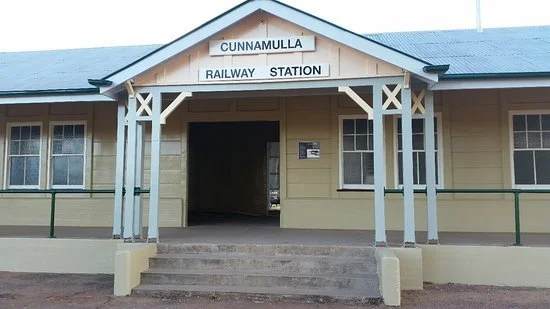
Even if I didn’t know anything about my uncle’s background or how he got to Australia, at least I knew that he’d spent time in Cunnamulla which is where he met my cousin’s mum. I’d never heard of the place so I took a deep dive.
Cunnamulla
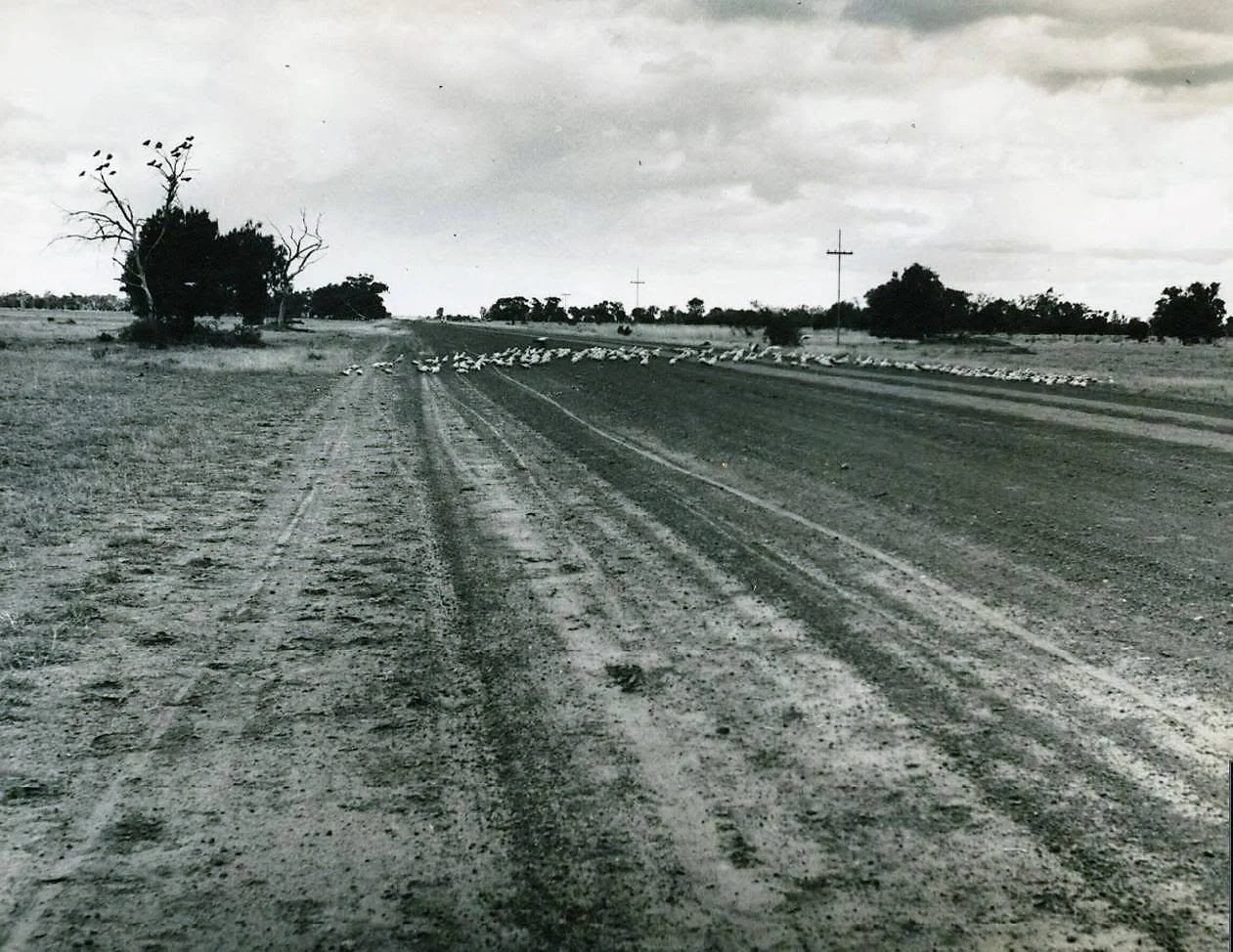
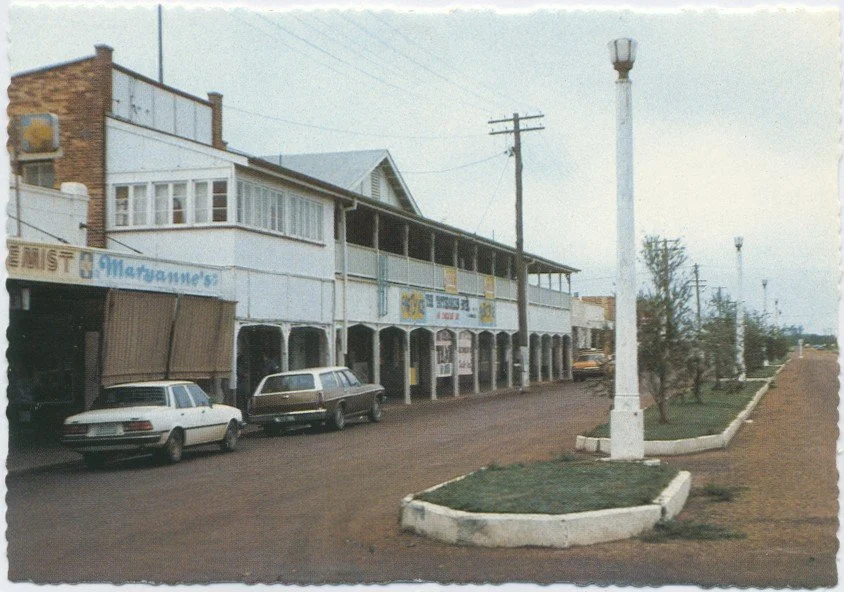
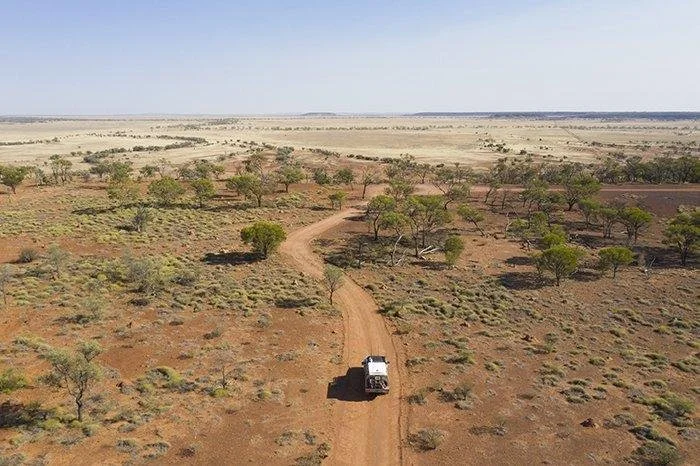
Cunnamulla is a town on the Warrego River, built on the red plains of the South West Queensland Outback, in the mulga lands. Nowadays it’s a three and a half hour journey by plane inland from Brisbane. In the 1960s when my uncle was there, the town had a population of around 2000. There’s remote, then there’s remote.
My uncle would likely have driven there on red dirt roads like the one pictured here. Or maybe he took the train; Cunnamulla was the end of the line. The other photo is of the main street in Cunnamulla in the sixties when he was there.
The Aboriginal camp where my cousin’s extended family used to live
This photo is courtesy of ABC Radio - Word Up).
The inhabitants were from the Paroo district, displaced people from the Kooma, Kunja and Budjari people amongst others.
My match’s twin
My cousin always knew she’d had a twin brother who died as a baby. It was during my research into this that I was able to find his death record through the Queensland state BMD website.
It was nice to be able to send my cousin the record. It confirmed that the two of them were born on the Aboriginal camp, and that her twin had died at just a few days old of a disease that was prevalent at the time.
Sleuthing
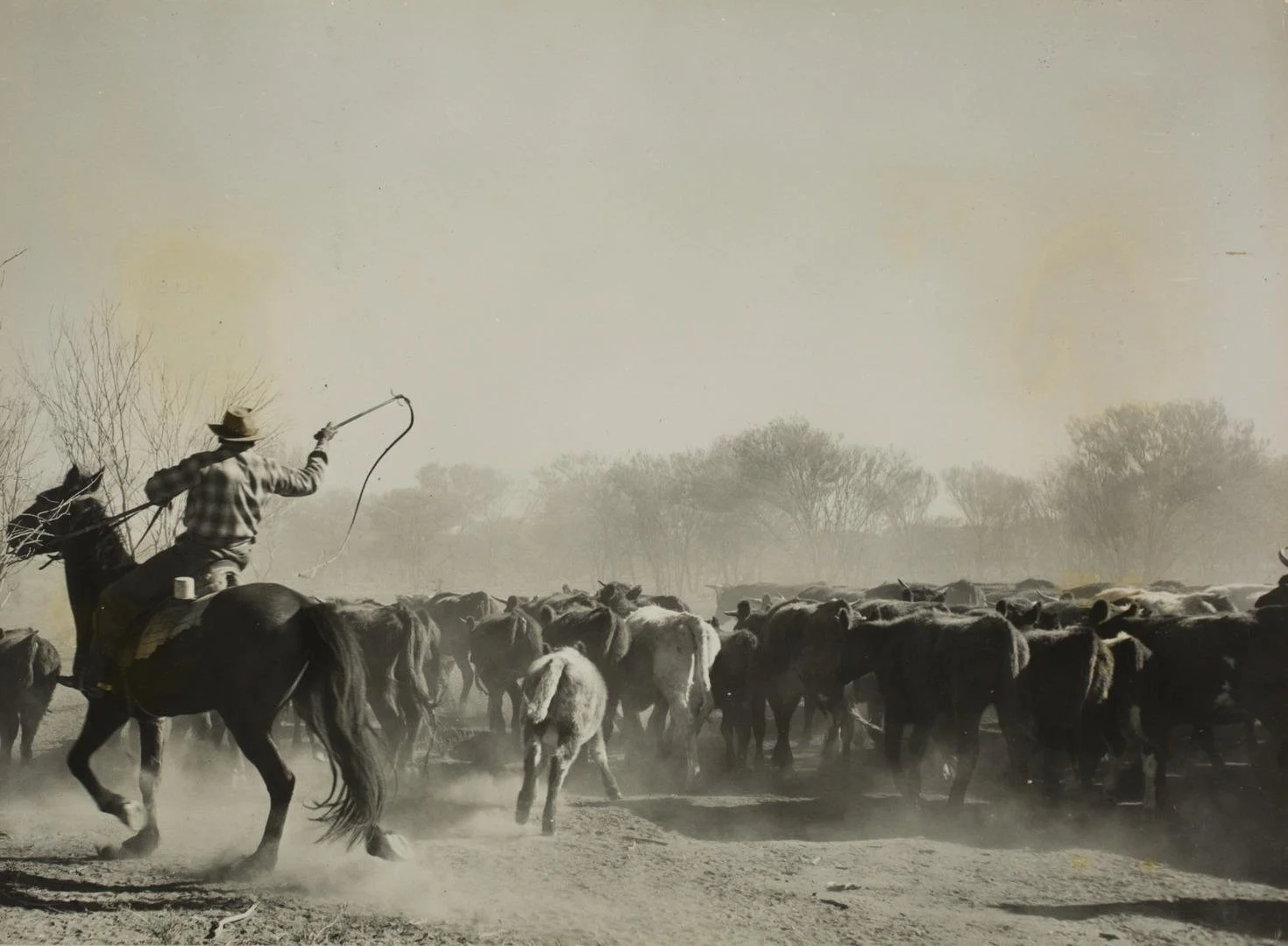
My new cousin had a few clues from snippets of information from her mother before she died. One of the rumours was that he’d worked as a Ringer/Stockman at the cattle/sheep stations. This is where my imagination got carried away (image). Other snippets from family she spoke to were that he’d worked as a painter/decorator/opal miner. Someone thought he might have worked at Waihora station and I found a photo of it from the sixties (courtesy State Library of Queensland).
But how to research these rumours and get closer to some hard facts?
Time for me to hit the socials!
I joined every Facebook group I could find related to the outback towns mentioned. I emailed cattle stations, spoke to a cattle station manager who’d hired ‘poms’ but no luck. Nobody ever had anything significant. I even spoke to a local reporter.
No luck!
Meanwhile in Liverpool
My cousin had other DNA matches with a family from Liverpool. I contacted one of them (Martin). He was fascinated by it all and very helpful. I met him in a pub in Liverpool and we thrashed it out. Through the cM calculations, we worked out that the man my grandma had ‘shenanigans’ with, and the likely father of my cousin’s dad, was one of Martin’s uncles. It was a great puzzle to work out, a proper whodunnit.
The strongest contender was a) not married when my grandma had the child, b) had the same first name as my uncle (a coincidence in the end) and c) was, according to Martin, a bit of a rogue!
This contender had latter married and had a family, and after some digging around, I found the husband of one of his daughters (stay with me!) on another family search site, Genes Reunited.
Through him, I passed on the information to his wife that she might have a half brother and a first cousin in Australia. I offered to pay for her to submit her DNA to the site. I should have approached this with more discretion; she didn’t want to be involved (fair enough). What she didn’t know was that I’d seen her photograph and she was the spitting image of my cousin. That was almost proof enough for me!
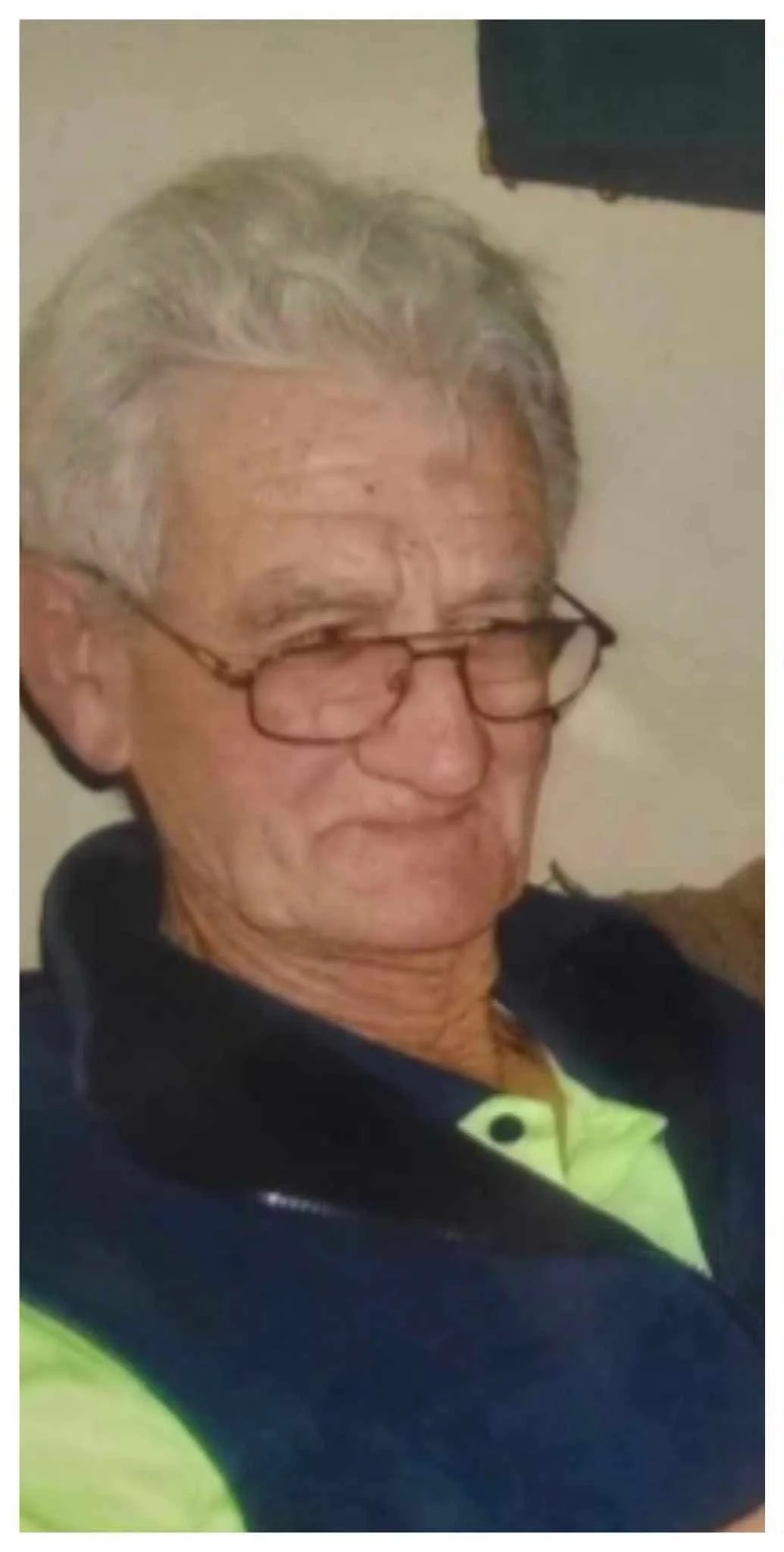
Martin also found me a photograph of his uncle and, although we didn’t know it at the time, he would turn out to be the image of my uncle as an older man (father and son pictured side by side here). We’d definitely found our man!
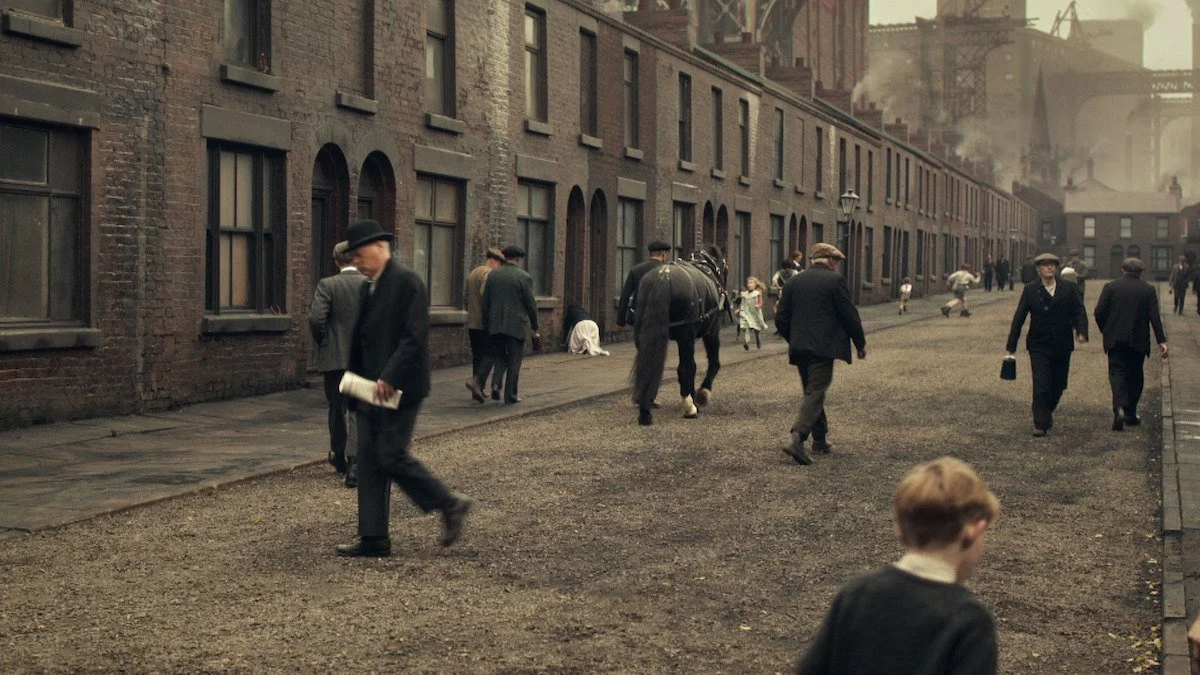
Through Martin and Ancestry research I was able to build a picture of my cousin’s paternal ancestors for her, going back generations, with photographs of her grandad, great grandparents and beyond. I even found a photo (courtesy Liverpool Echo) of the street her grandfather was born on, exactly as it would have been like in the 1900s because it was used for the Peaky Blinders set! My cousin was thrilled to have all this insight into her paternal roots.
Fresh insight
The breakthrough came when I asked my cousin if I could speak to her elderly aunt, who’d actually met my uncle, in case a different approach or questions from a fresh perspective might jog her memory, or offer up any other facts that could help. I loved my phone conversation with this lady, and she gave me some great insights, even what my uncle had looked like:
Small, dark-haired, pointy face - a bit like Daniel O'Donnell - good looking, friendly, respectful. Took family to cinema in car (a light grey VW). Nobody asked him questions about his background or judged him
She had also speculated that he might have been there for the opal mining, since that’s what lots of migrants in the area had been doing at that time. This was a new one for me, so I spent several months researching the industry, and some of its legends and stories.
Photos courtesy International Opal Academy. History of Opal Mining in Australia
I’m also trying to get hold of The Fragile Black Heart about opal mining at Lightning Ridge which is discontinued (dammit!)
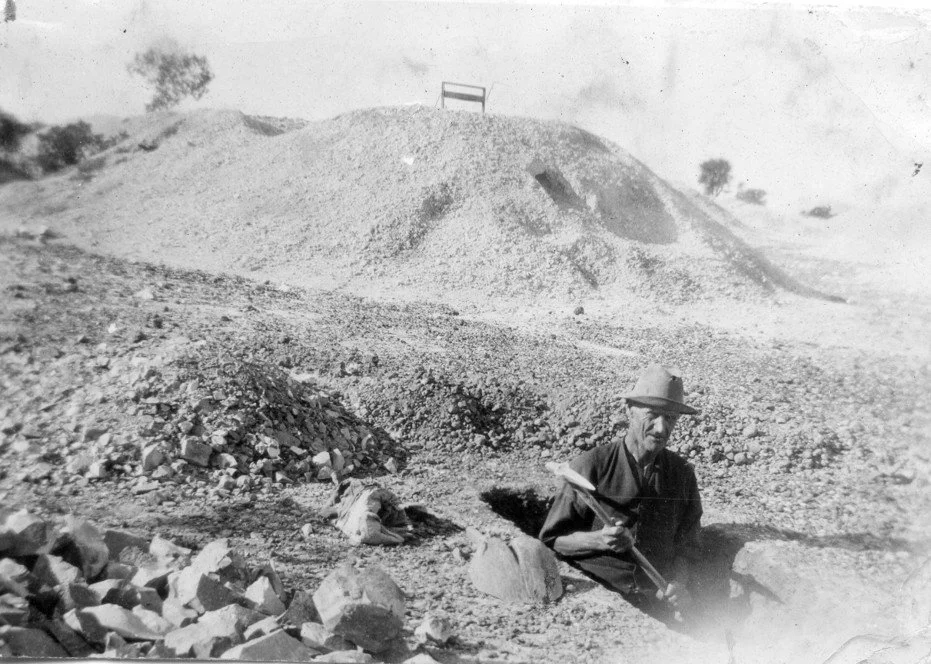
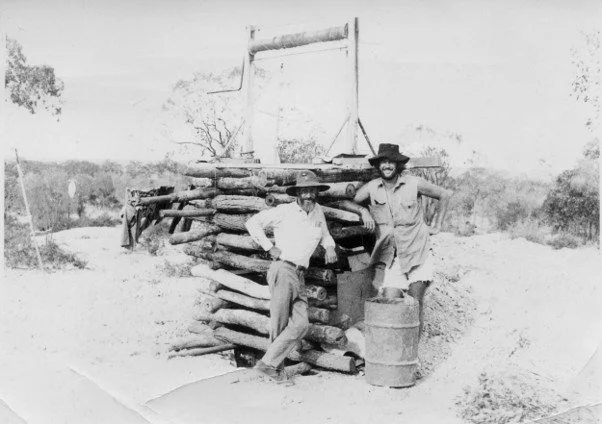
However, her memory had also been of a much older man from what we’d originally thought, a revelation that changed the course of my research.
Breakthrough
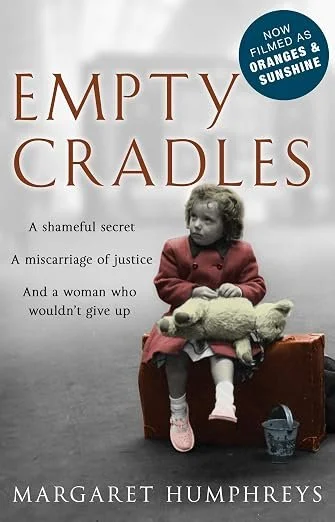
I messaged back all the people I’d originally contacted (all the agencies, charities, religious institutions etc) and asked them all to search again, this time using a different set of dates, and I refreshed my search of ship manifests. Rachel Humphreys from the Child Migrant Trust (the daughter of Margaret Humphreys, the social worker who wrote Empty Cradles) telephoned me back afterwards and the moment I took the call I knew that there had to be some news. Nobody ever calls! She told me that my uncle had indeed been a child migrant, and that she had his records.
It was like Davina McCall knocking on my door and asking to come in
A man who went by the same name my cousin had been told was her dad’s name had contacted the trust thirty years previously, asking them to find his birth family. From that point on, I had all the facts. I had his birth name (Norman Smith) and birth date and his adoptive name (Norman Smethum - incidentally this was not the name my cousin’s mother had given her).
I was finally able to order his birth certificate (by coincidence, he’d been the third next name on my list of ‘Smith’ babies to investigate, so my process would have got there in the end!). He was born in 1936.
My grandma was living in a mother-and-baby home when she had him (another story!).
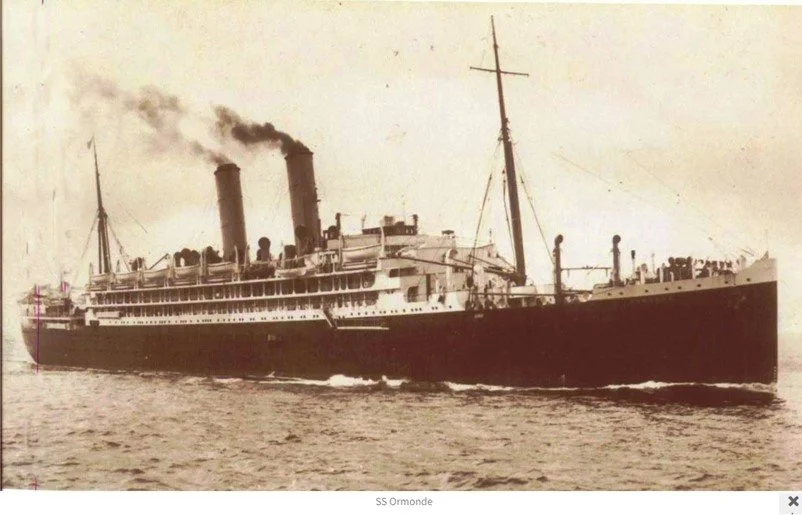
With his adoptive name I was able to order his adoption certificate, and find him on the passenger ship (the SS Ormonde pictured) as part of the Fairbridge Farm School party. The Molong museum helped me find other photos (next section) and put me in touch with people who knew him, and who’d been on the same voyage.
Finally we knew how he ended up Australia, but where was he now?
Fairbridge Farm School
I found the Old Fairbridgian Society which led me to finding the first photos we’d ever seen of Norman, including one of him baking, and a class photo (Norman standing top right), both included here. I also managed to speak to two men who actually had some memories of my uncle. It was one of these who confirmed that Norman had changed his name and conversations with them helped me understand why.
It would have been very regimental at the school, with chores ranging from slaughtering animals and ploughing to building fences and shearing. The ‘plan’ would have been for Norman to become a farmer. He did fairly well in his exams and got a scholarship to an Agricultural college. However, after the first year of his first ‘placement’ as a Jackeroo, he gave it all up.
There were reports of him becoming slovenly and unreliable. At the time he would have been sending all his wages back to Fairbridge (that was the deal). By changing his name he was able to sever all ties with the school. No wonder he was so hard to find!!
Child migrant schemes
These had been operating from the late 1800s and in total it’s thought that over 150,000 children were sent from Britain’s poor inner cities to British colonies to populate rural areas. The idea was that these children would be rescued from destitution and trained to be farmers and farmers’ wives in rural Australia, Canada, South Africa, New Zealand or Zimbabwe (then Rhodesia).
Charities, poor law authorities, churches and governments were all involved.
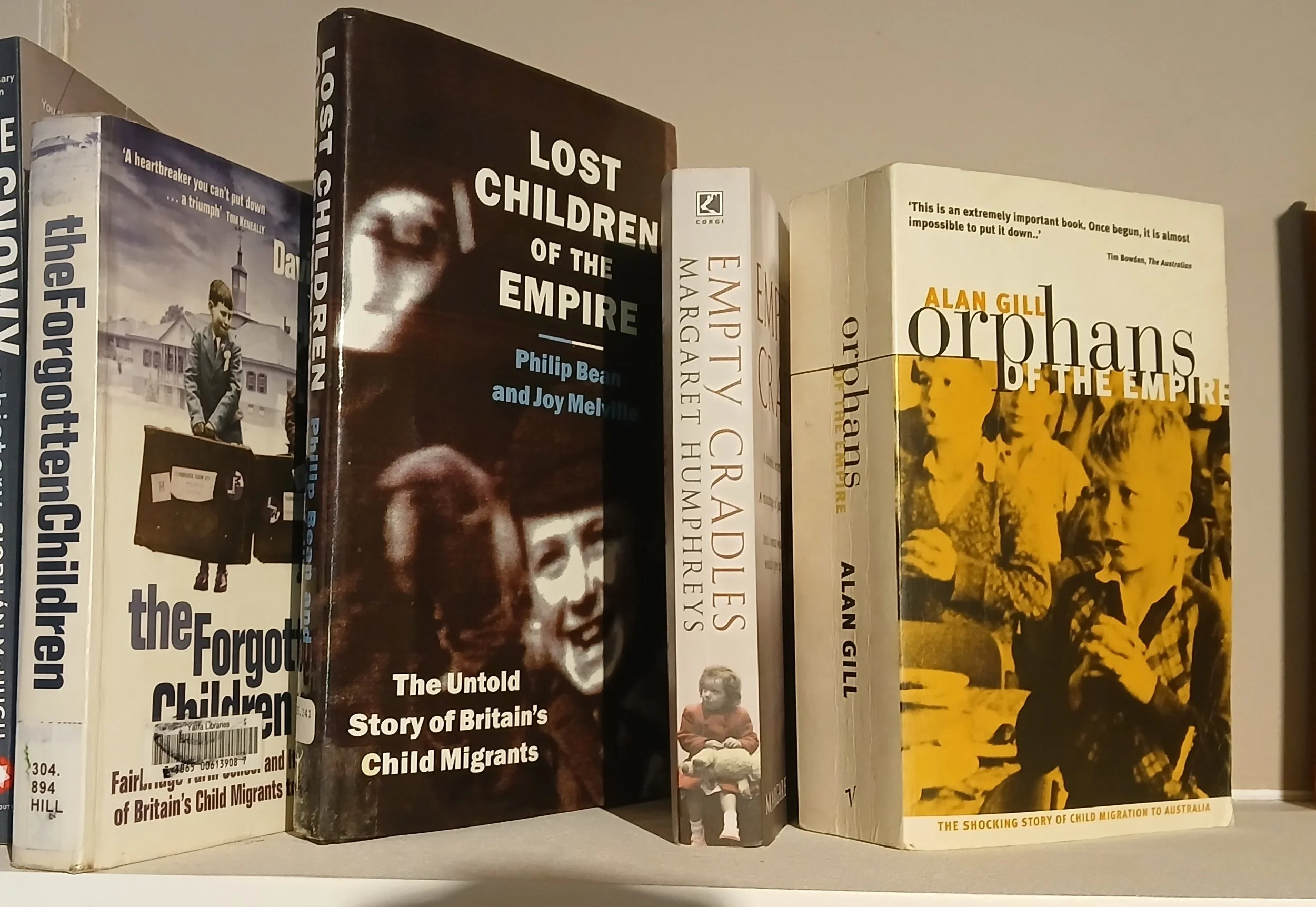
I read all the books that had been written about child migrancy, including ‘The Forgotten Children’ written by a former child migrant from Norman’s school, David Hill. This gave me some fantastic insight into what Norman’s experience would have been like at the school. I also watched ‘The Leaving of Liverpool’ and ‘Oranges and Sunshine’ and both gave me a broader overview of the scheme.
It was all desperately sad.
National Apologies
It turned out that there was a systemic lack of care for these children and both the Australian and British governments (Gordon Brown at the time) made national apologies. Gordon Brown’s apology.
We were relieved to discover that Norman had been fourteen when he joined the scheme, not tiny like some children. And although his Fairbridge file shows that his circumstances in Liverpool were not healthy (at one point he was sent to a school set up for malnurished children from Liverpool), he wasn’t ‘taken’ from his adoptive parents by the state, he seemed to go voluntarily, and he only had three years at the farm school. More information about Fairbridge Farm School, Molong, can be found here Old Farbridgians - Molong and Molong History Society
But where did he go next??
Snowy Mountain Scheme
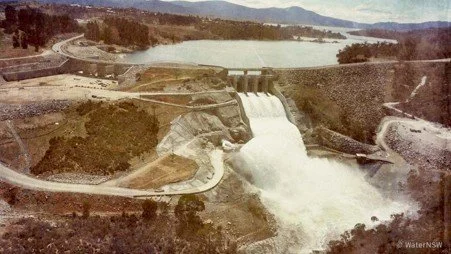
Another breakthrough came when an alumnus from my uncle’s farm school got in touch with my cousin (on a Facebook forum) and told her that her dad had worked on the Snowy Mountain scheme. So followed a frenzy of research. I found testimonials from former Snowy men and – miraculously – a photo in a video (screenshot here from Stories from Snowy Mountains) of my uncle amidst twenty or so east European men who’d worked as drillers. The guy who’d provided the picture was still alive, and I discovered that he organised reunions for former Snowy workers, so I tracked him down. At this point, I’d started to view my uncle as a bit of a Walter Mittey kind of guy.
This song was recorded two years after my uncle left, but it’s rousing and atmospheric. I can’t tell you how many times I’ve watched it!
Finding Norman’s adoptive family
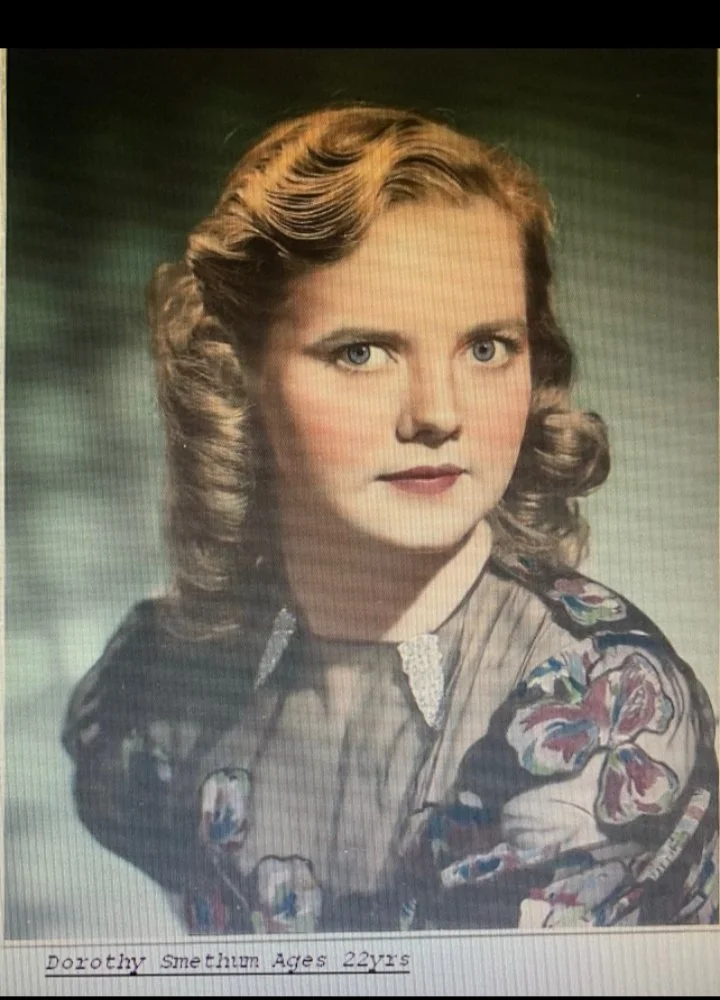
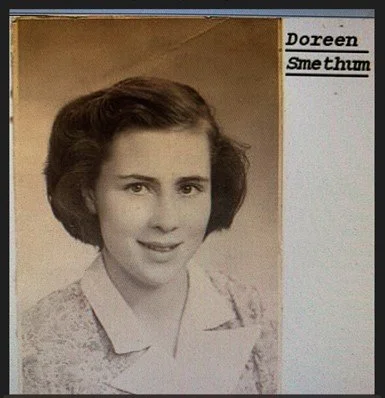
I’d already learnt a lot about the couple who adopted Norman from my grandma before sending him to Australia. But traditional methods only get you so far (names, addresses etc). I learnt from Norman’s farm school documents that his adoptive mother had also sent two other adopted daughters to Fairbridge, and that Norman had thought they were full sisters (she didn’t tell him that he was adopted). They were Doreen and Dorothy. They were much older than him, and their time at Fairbridge didn’t overlap. Letters from Dorothy told of her concern for Norman. She also confided in another letter about the abuse Norman would have endured from his adoptive father. It was all very sad.
I’d found a death record for Doreen, but could Dorothy still be alive? Fairbridge newsletters said she’d moved to Perth and then they’d lost touch with her (as they had Norman).
Australian records are much harder to navigate, and each state has a different set of regulations and red tape; Western Australia’s records are particularly locked-down.
Eventually I discovered that Dorothy had died but that she herself had a daughter. I looked for that daughter for a long time, finding no trace on any of my platforms. I persevered through other channels, culminating in sending speculative messages on Facebook and LinkedIn to anyone with a similar name, in an attempt to track her down.
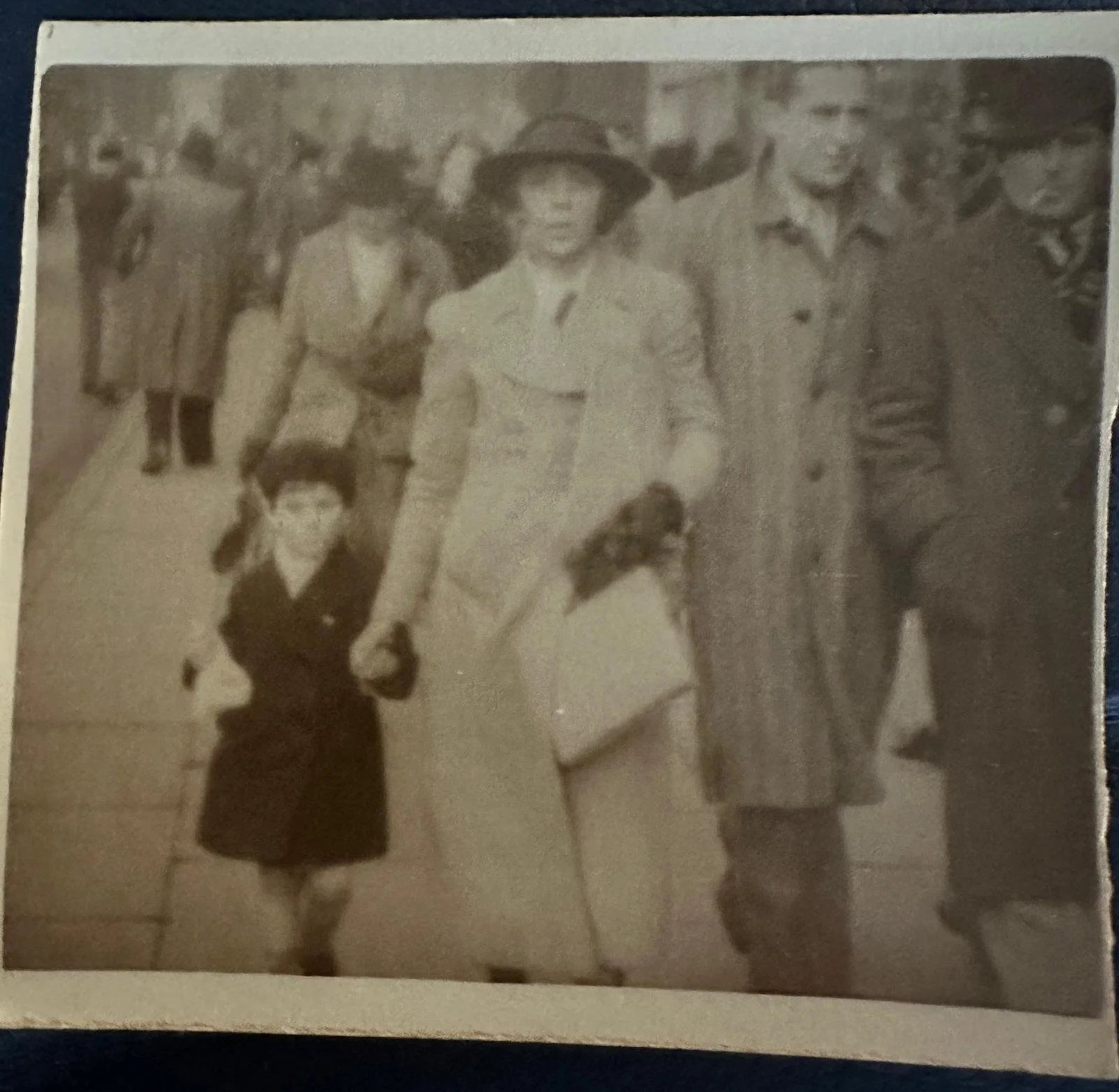
A few weeks later I hit the jackpot with one of the messages I’d sent on LinkedIn, and I had a lovely exchange with Dorothy’s daughter who was living in Perth. Unfortunately, Dorothy hadn’t known very much about Norman as she’d left for Australia before he’d been born, and their years on the farm school hadn’t overlapped. But her daughter was able to send a precious photograph of him as a small boy with his adoptive mother before he was sent away which made me cry.
She was also able to tell us the district she thought he’d been living in, which led to the sad discovery that he’d died.
Just too late
I was devastated to learn that he’d died just two years before I’d started my search.
However, the next of kin on the funeral documents named another daughter (in addition to my cousin).
This was a revelation. Norman and this daughter had been somewhat estranged but his grandaughter Amber had been very much in his life. Amber was fantastic, a really important part of my research and a beautiful person.
More discoveries
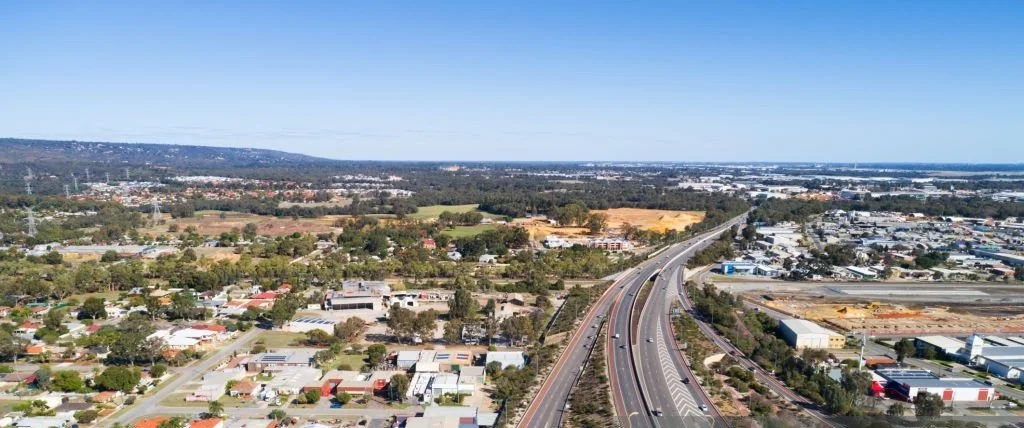
It was around this time that my cousin found Norman’s name-changing document amongst his farm school papers (there was a mountain of these). The document offered up an address in Perth which I researched. The photo is an areal photo of Midvale, Perth, where he lived for a long while.
This led me to a couple that Norman had lived with, and his ultimate lady soulmate, Daphne. HUGE breakthrough. I found Daphne’s (grown up) children on Facebook who were able to tell me about his character, his favourite tipple (Vic Bitter), favourite music (country), his spending the odd night in a cell, and more photos. I’m very grateful to them.
Mystery solved
We now had Norman’s life from cradle to grave. Throughout my research, I’d not been able to extinguish the tiny hope that he might have still been alive. Amber was with him when he died, and held his hand right to the end which was a comfort to us all.
I’d grown to love the uncle that I never knew I had.
I’d love to have sat down with him to tell him about his English ancestors, about where he’d come from. I’d also love to have heard about his life and adventures.
I’ve framed a photograph of him as a small boy - an earnest-faced boy, dark hair in a pudding bowl cut, head slightly tilted - taken just before his life changed.
DNA mystery puzzle solved, but heart broken.